Understanding Hot Aisle vs Cold Aisle Color Codes in Data Centers
In the realm of data center design and operation, understanding the intricacies of hot aisle and cold aisle configurations is crucial. These arrangements are foundational concepts that facilitate efficient airflow management, optimize cooling, and reduce energy costs. A common misconception is that both hot and cold aisles are interchangeable or that their functions are merely aesthetic. However, each plays a distinct role in isolating airflow, enhancing equipment performance, and ensuring overall operational efficiency. In this article, we will dive deep into the principles behind hot and cold aisle containment, explore the importance of color coding in identifying these areas, and examine their implications for data center efficiency and technician safety.
How Hot and Cold Aisles Work
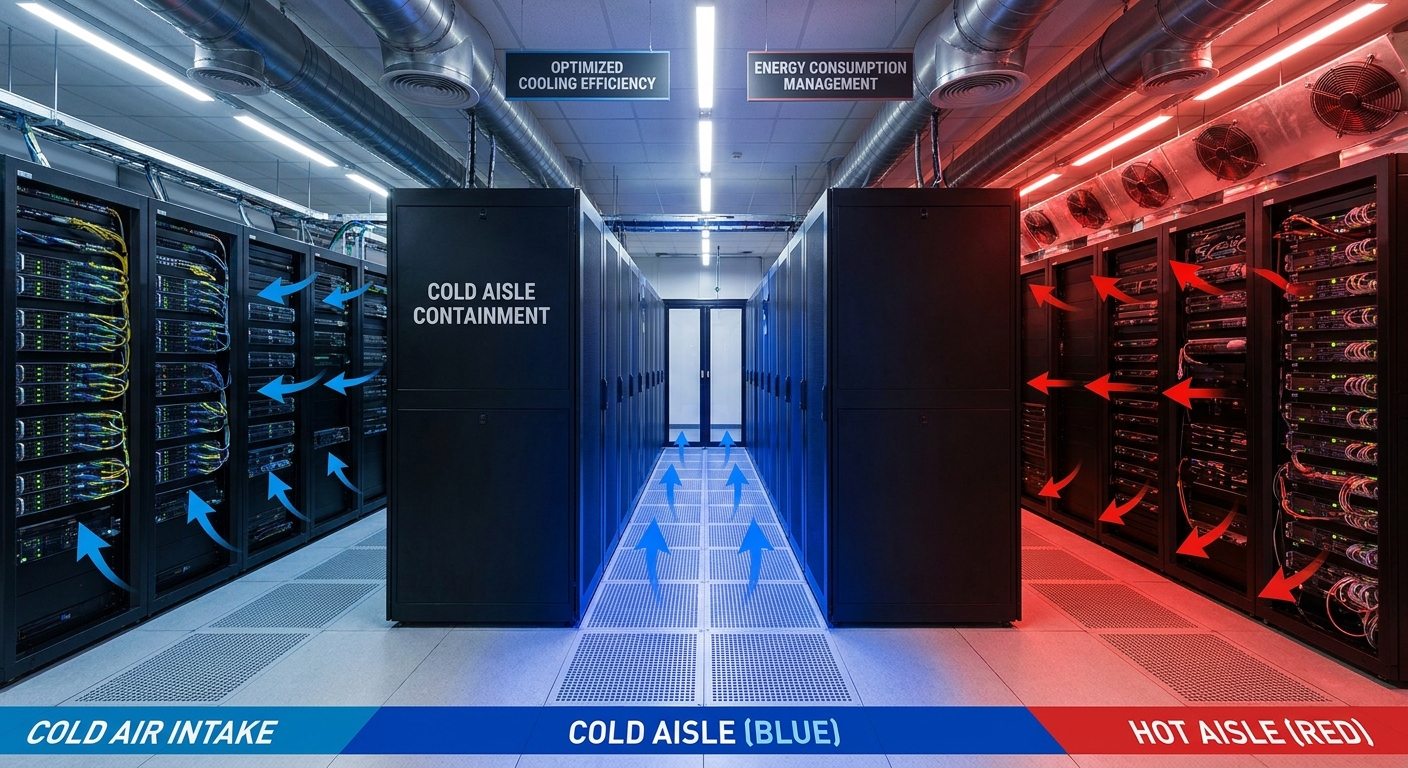
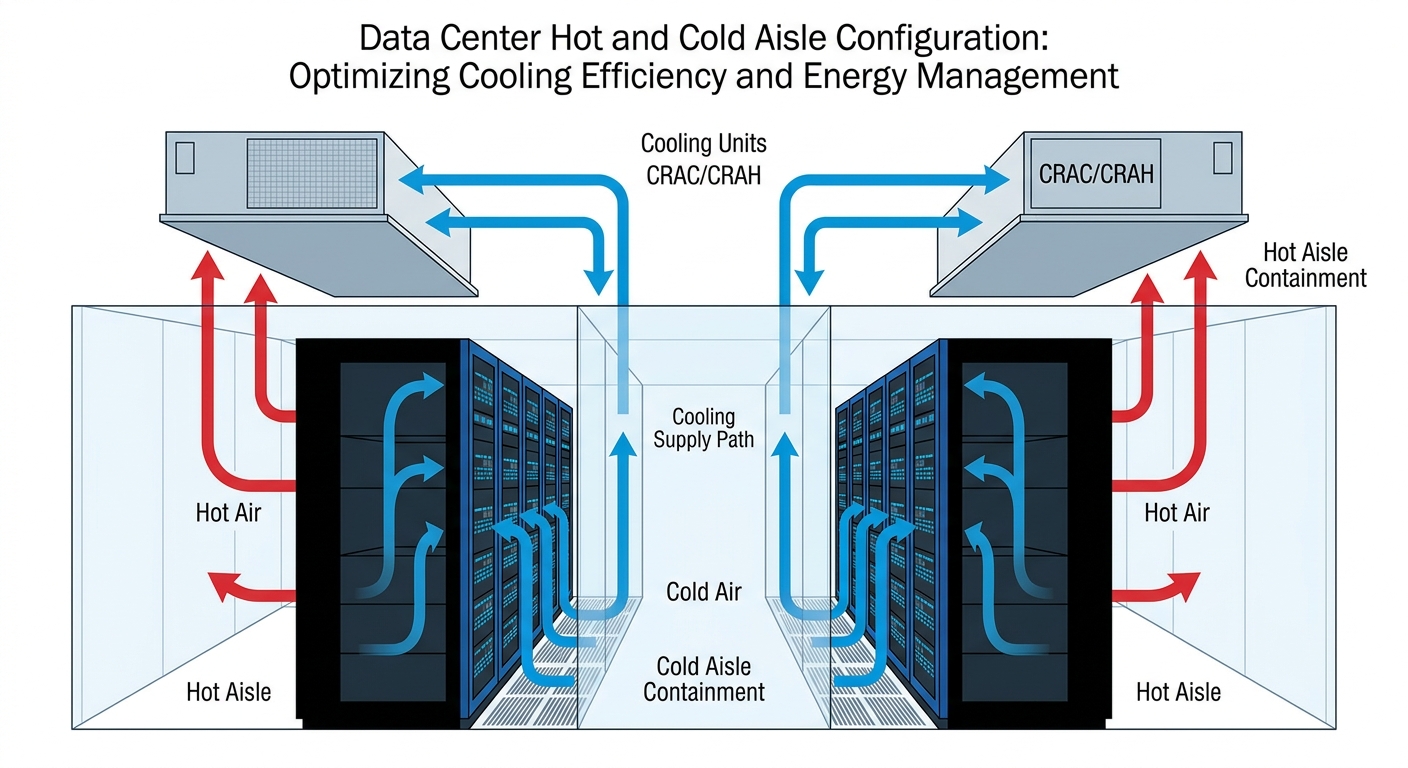
At the core of effective data center design lies the hot aisle and cold aisle configuration. This layout aligns server racks in alternating rows, with cold air intakes and hot air exhausts facing opposite directions.
Cold Aisle Containment
- The cold aisle, where cool air is supplied, is enclosed to prevent hot air from mixing with the intake airflow.
- This containment approach improves server efficiency as machines receive cooler air directly.
- The design also supports better airflow patterns, minimizing energy expenditure and maintaining optimal operation conditions.
Cold Aisle Containment (CAC) specifically focuses on enclosing these areas, ensuring that the cold air supplied to the equipment is not contaminated by the warm exhaust air that escapes from the back of the servers.
Hot Aisle Containment
- In Hot Aisle Containment (HAC), the aisles where servers expel hot air are enclosed. This isolates the warm airflow and directs it back to cooling units.
- This strategy ensures that warm air is efficiently captured and recirculated through cooling systems, thereby reducing the workload and energy consumption of cooling equipment.
- Additionally, HAC contributes to a cooler overall data center environment, making it more comfortable for maintenance staff and protecting non-contained equipment.
Importance of Color Codes in Data Centers
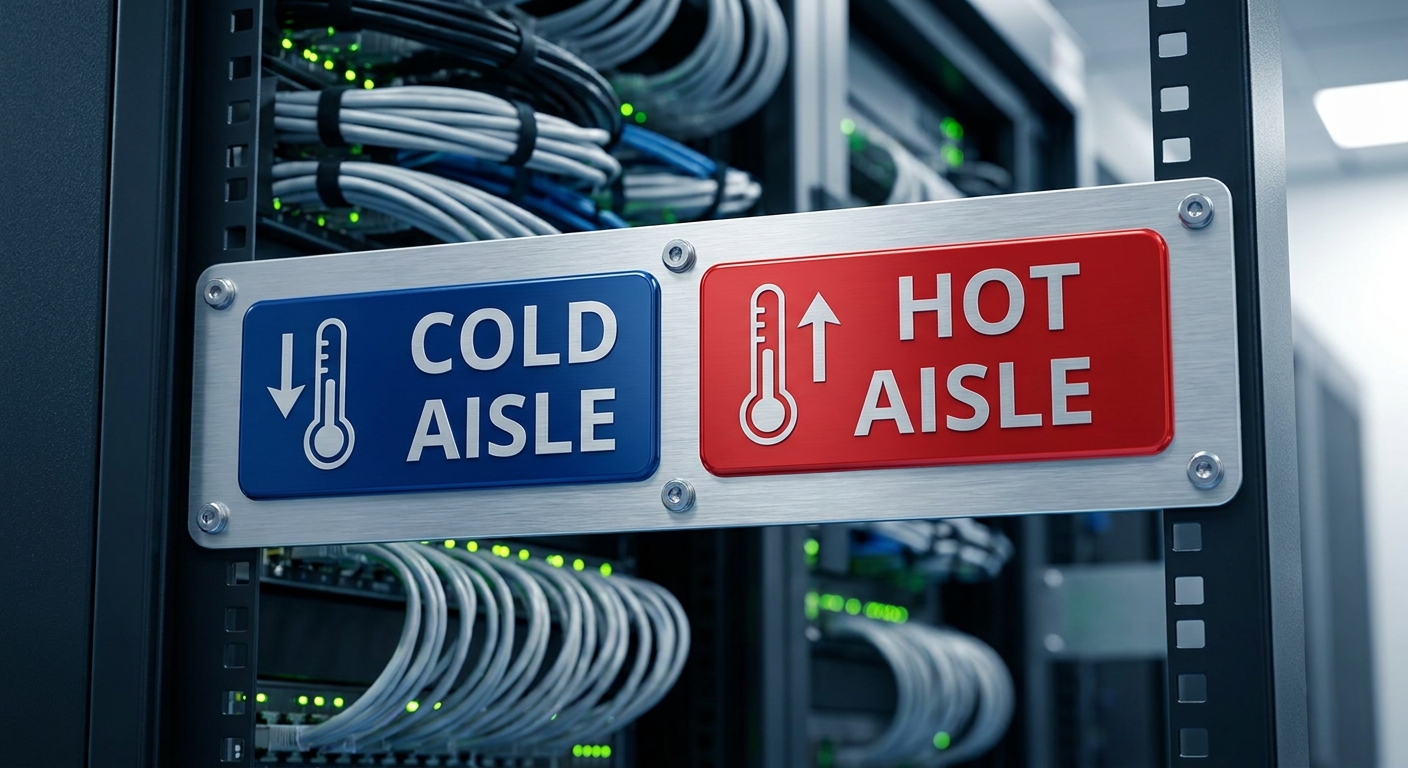
Color coding is a vital practice in data centers, particularly in identifying hot and cold aisles. Integrating color codes into aisle management offers several advantages:
You may also like




- Easy Identification: Technicians can quickly distinguish between hot and cold aisles, reducing the likelihood of mistakes when managing equipment and airflow.
- Enhanced Safety: By marking danger zones (e.g., hot aisles) in red, color coding can mitigate risks associated with high-temperature equipment.
- Streamlined Operations: Clear visual cues improve workflow efficiency, facilitating faster responses during maintenance and monitoring activities.
Typically, blue is designated for cold aisles, symbolizing cool air, while red signifies hot aisles, denoting warm exhaust airflow. This standardized approach among operators fosters consistency across various data center environments.
Best Practices for Implementing Aisle Containment
To achieve optimal results from hot and cold aisle containment strategies, consider the following best practices:
1. Evaluate Airflow Management
- Conduct airflow analysis to determine the effectiveness of current containment strategies.
- Use monitoring solutions to track temperature variances and airflow patterns in real time.
2. Implement Color Coding
- Adopt a consistent color code for all data center aisles.
- Train staff on the significance of these color codes for enhanced safety and operational efficiency.
3. Ensure Regular Maintenance
- Schedule routine checks on containment structures to ensure they remain sealed and effective.
- Clean air filters and other critical components to maintain optimal airflow.
Comparing Hot Aisle vs. Cold Aisle Containment
Evaluating the efficacy of hot aisle versus cold aisle containment can provide insights for data center managers. Here’s a comparison based on various factors:
| Aspect | Hot Aisle Containment (HAC) | Cold Aisle Containment (CAC) |
|---|---|---|
| Primary Objective | Isolate hot air from equipment and direct it to cooling units | Prevent mixing of incoming cold air with outgoing hot air |
| Impact on Data Center Temperature | Maintains a cooler ambient temperature, benefiting non-contained equipment | Works to optimize cooling efficiency and server performance |
| Complexity | Requires infrastructure for ducting and air return paths | More straightforward in layout but may require modifications during implementation |
| Color Coding | Often marked with red indicators | Typically designated with blue indicators |
FAQ
Q1: What is the primary function of a hot aisle vs. cold aisle in data centers?
A1: The primary function is to manage airflow by separating incoming cool air from outgoing hot air, optimizing cooling efficiency and equipment performance.
Q2: How do color codes help in data center management?
A2: Color codes provide visual cues that aid in quickly identifying hot and cold aisles, enhancing safety and improving operational workflow.
Q3: Which containment strategy, hot or cold aisle, is more effective for energy efficiency?
A3: Both strategies aim to improve energy efficiency. The most effective option often depends on specific data center layouts and cooling requirements.
Q4: How can I improve airflow management in existing data centers?
A4: Consider conducting an airflow analysis, implementing color coding, and ensuring regular maintenance of equipment and containment structures.
Q5: Are there any risks associated with improper aisle containment?
A5: Yes, improper containment can lead to hot spots, increased energy costs, and potentially hazardous working conditions for technicians.
Conclusion
The effective implementation of hot aisle and cold aisle configurations is essential in the design and operation of data centers. Utilizing distinct color codes enhances safety and operational efficiency, facilitating better airflow management. Understanding these principles not only optimizes cooling and energy consumption but also creates a safer environment for personnel. For more insights, consider exploring related topics such as data center cooling technologies and rack placement strategies to maximize performance.
Rotating USB