Introduction
The field of quantum computing has made significant strides over the past few decades, but one breakthrough has reignited interest and investment in the area: the superconducting qubit. Central to many quantum computing devices today, these qubits are crucial for the development of practical quantum processors. However, they face a significant challenge: maintaining information coherence long enough to perform complex computations. This article addresses the pressing issue of qubit coherence time and explores how advancements in superconducting qubit design, particularly by teams at Princeton University, are shaping the future of quantum computing. Many people mistakenly believe that the quantum computing race is solely about achieving more qubits; however, the coherence and reliability of these qubits are equally important. Readers will learn about the innovations in superconducting qubit design, the importance of coherence time in quantum processing, and the implications for the future of quantum technology.
Understanding Superconducting Qubits
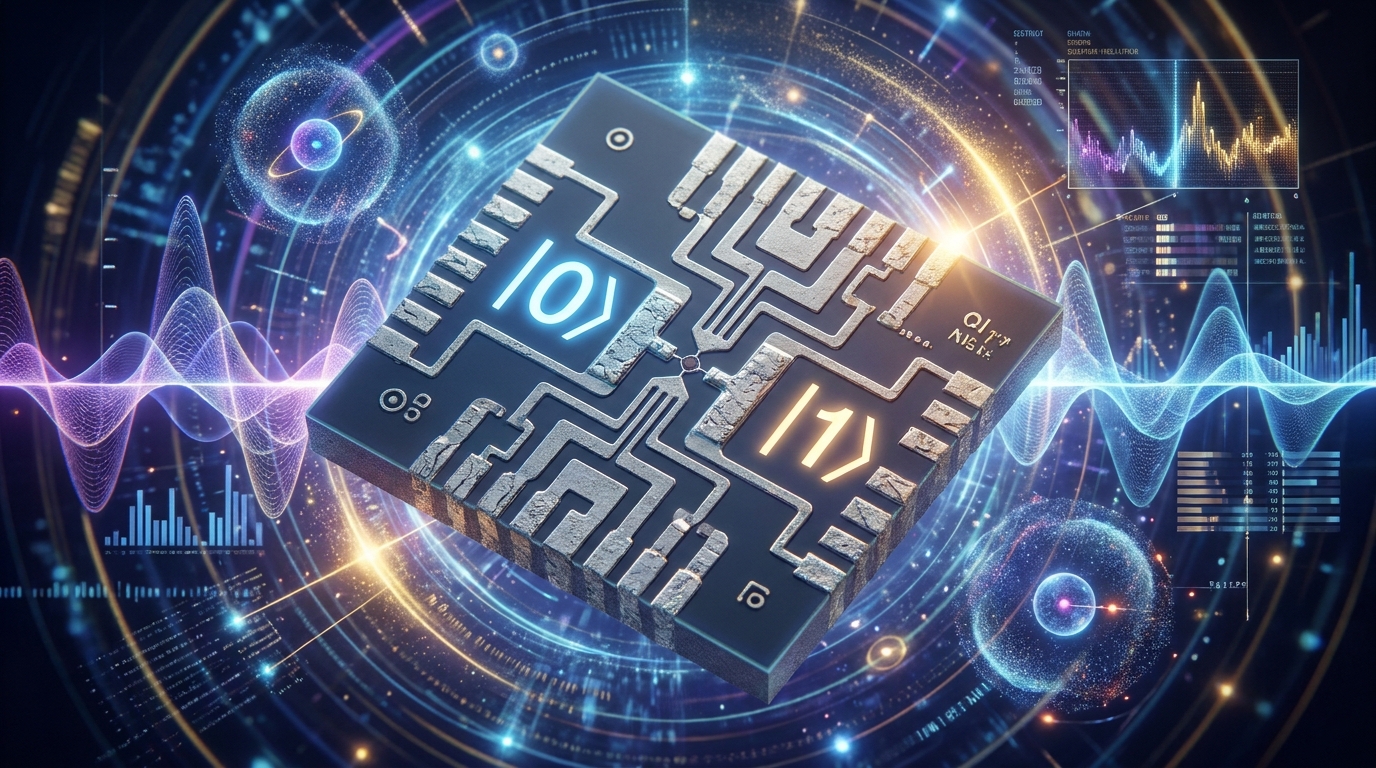
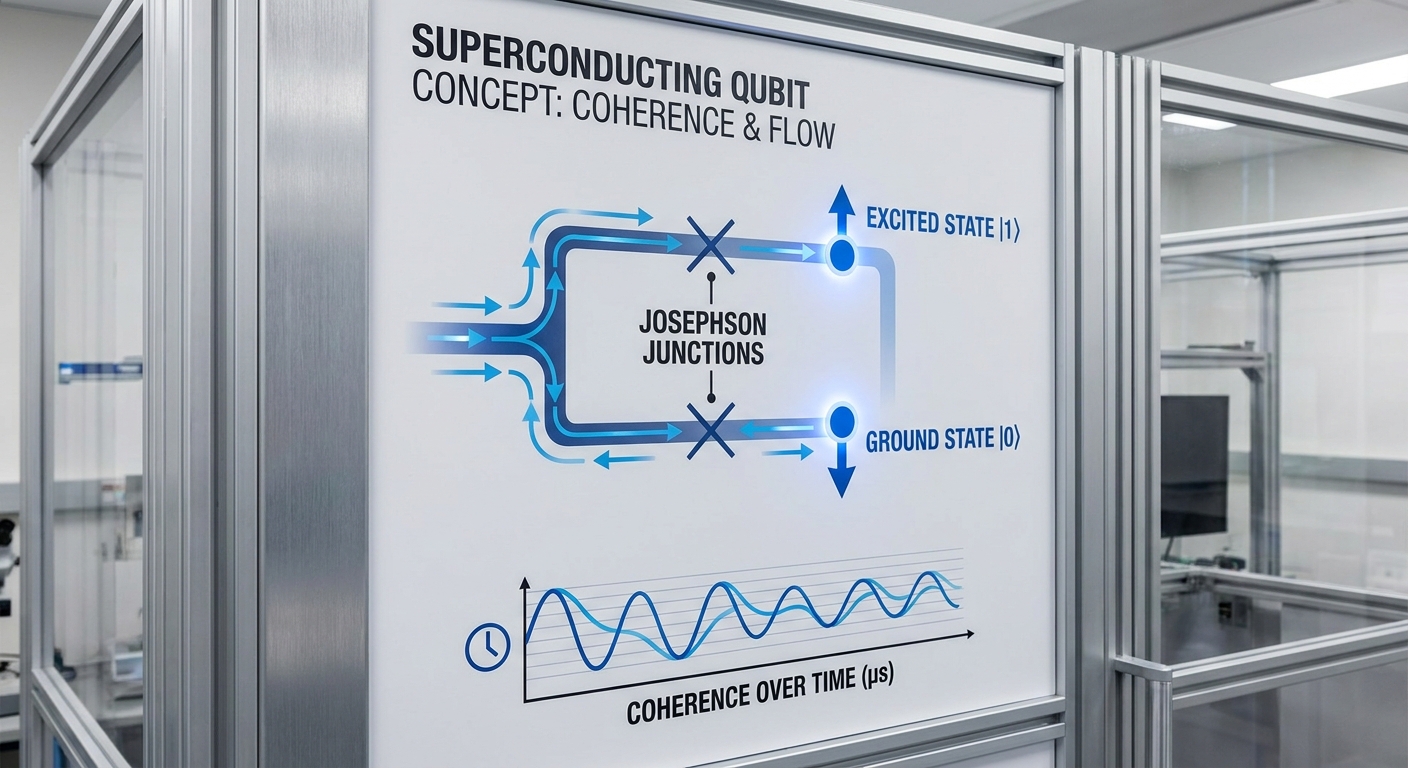
Superconducting qubits are designed to leverage superconductivity to create quantum bits that can exist in both the 0 and 1 states simultaneously. This makes them fundamentally different from classical bits. A qubit consists of two primary states known as the ground state and the excited state, expressed as |0⟩ and |1⟩. One of the most notable types of superconducting qubits is the transmon qubit, which was co-invented by Andrew Houck in 2007. This innovation helped reduce the sensitivity of qubits to external noise, a significant obstacle in maintaining coherence.
How Superconducting Qubits Work
Superconducting qubits work by creating a microscopic circuit that exhibits superconductivity at ultra-low temperatures. When cooled below a material’s critical temperature, it allows for the flow of electricity without resistance. In these systems, qubits are formed using Josephson junctions, which are nonlinear inductors that can be manipulated to control the quantum states. The qubit states can be accessed and altered using microwave pulses, facilitating quantum computations.
The Importance of Coherence Time
Coherence time is a critical metric in quantum computing, as it determines how long a qubit can hold its quantum state before losing information due to decoherence. In practical terms, longer coherence times allow for more complex operations to be performed on qubits before the information decays. Traditional superconducting qubits have limited coherence times, often measured in microseconds, which constrains the complexity of quantum algorithms they can execute.
You may also like



The Breakthrough at Princeton University
Recently, researchers at Princeton University announced a significant breakthrough in superconducting qubit design that markedly extends coherence times. Their new superconducting quantum chip boasts qubits that maintain coherence for over 1 millisecond—three times longer than previous lab benchmarks and nearly 15 times longer than the coherence times of commercially available quantum processors from industry leaders like Google and IBM. This leap forward could dramatically enhance the processing power and reliability of quantum computers.
Innovative Fabrication Methods
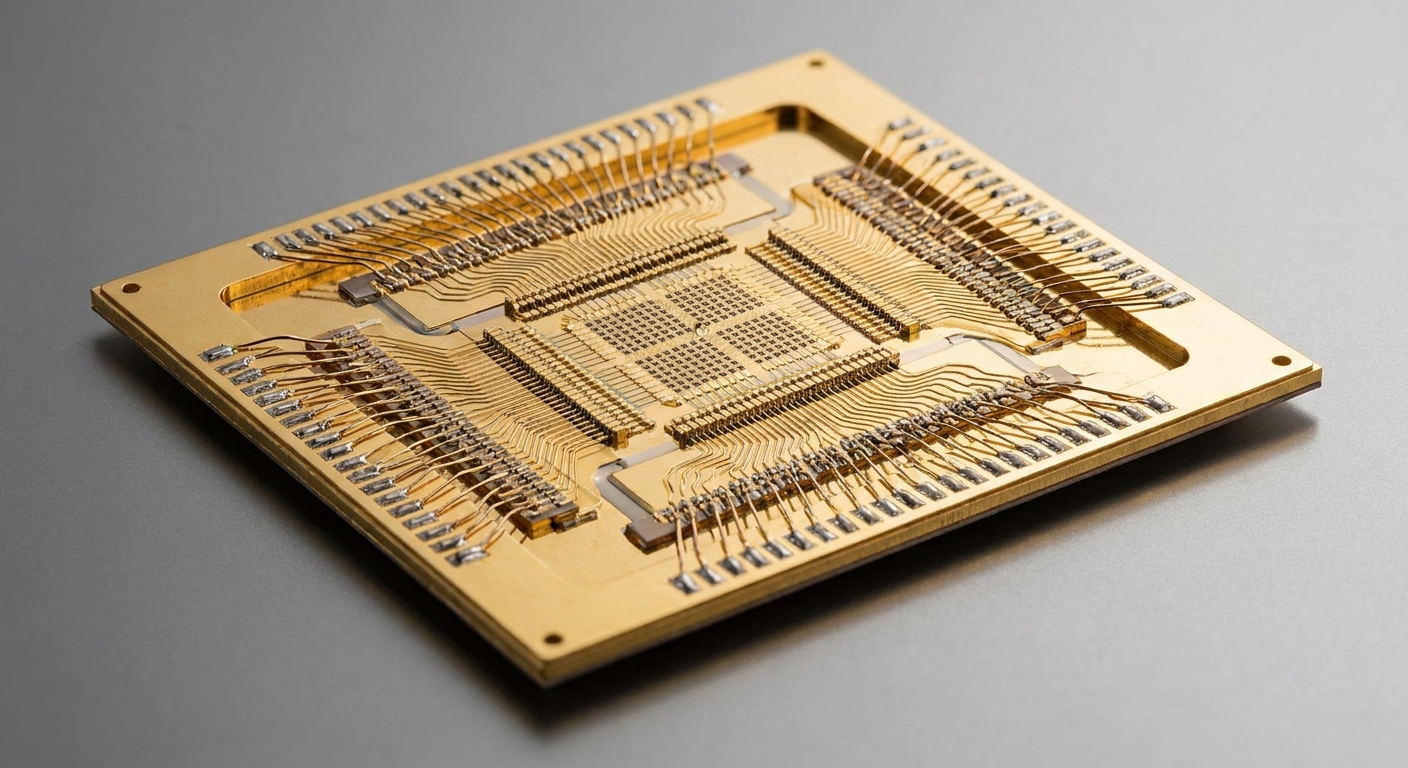
The advancements made by the Princeton team stem from a novel fabrication method that optimizes the construction of superconducting circuits. By carefully controlling the fabrication process and improving materials selection, the researchers were able to develop qubits with enhanced performance characteristics. The prolonged coherence times enable these qubits to conduct more complex operations critical for advancing quantum computing research.
Comparative Analysis of Coherence Times
| Source | Coherence Time | Comparison |
|---|---|---|
| Princeton University | Over 1 ms | 3x longer than past lab benchmarks |
| Google’s QPUs | Approximately 67 µs | 15x shorter than Princeton’s |
| IBM’s Quantum Processors | Similar to Google | 15x shorter than Princeton’s |
The Implications of Extended Coherence Times
The enhancements in superconducting qubit coherence time have numerous profound implications for the future of quantum computing:
- Scalability: Longer coherence times mean that more qubits can be combined into complex circuits, potentially leading to quantum processes that significantly outstrip traditional computing capabilities.
- Error Correction: Improved stability can enhance error correction protocols, which are critical for reliable quantum computation.
- New Applications: The ability to perform longer calculations could pave the way for groundbreaking applications in cryptography, optimization problems, and quantum simulations.
Current Limitations and Challenges
Despite these advances, researchers acknowledge ongoing challenges in the field of superconducting qubit technology. A primary concern is the balance between coherence time and the physical complexity of qubit integration in larger systems. Additionally, offering sustained functionality under practical operating conditions remains an area of active research.
Frequently Asked Questions
Q1: What is a superconducting qubit?
A superconducting qubit is a type of quantum bit that utilizes superconducting circuits to represent and manipulate quantum information.
Q2: Why is coherence time important in quantum computing?
Coherence time refers to the duration a qubit can maintain its quantum state, affecting the capacity to perform complex calculations before information is lost.
Q3: How does Princeton’s superconducting qubit compare to traditional qubits?
Princeton’s superconducting qubit has achieved coherence times of over 1 millisecond, significantly longer than traditional qubits, which generally maintain states for mere microseconds.
Q4: What are some applications of superconducting qubits?
Superconducting qubits are used in various quantum computing applications, including cryptography, optimization, and complex quantum simulations.
Q5: Who are the key players in the superconducting qubit industry?
Major players include research institutions like Princeton University, as well as technology giants such as IBM and Google, who are also working on developing superconducting quantum processors.
Conclusion
In summary, the recent advancements in superconducting qubit design, particularly at Princeton University, represent a turning point in quantum computing technology. With qubits that maintain coherence significantly longer than their predecessors, the computing power and potential applications of quantum devices can expand dramatically. Future innovations will likely continue to build on these breakthroughs, with far-reaching implications for various fields, from computer science to materials science.
As researchers delve deeper into the realm of quantum technology, topics such as quantum entanglement, error correction protocols, and quantum networks will gain prominence in discussions about the future of computation.
Rotating USB