Why Neuromorphic Chips Need Weird New Connectors
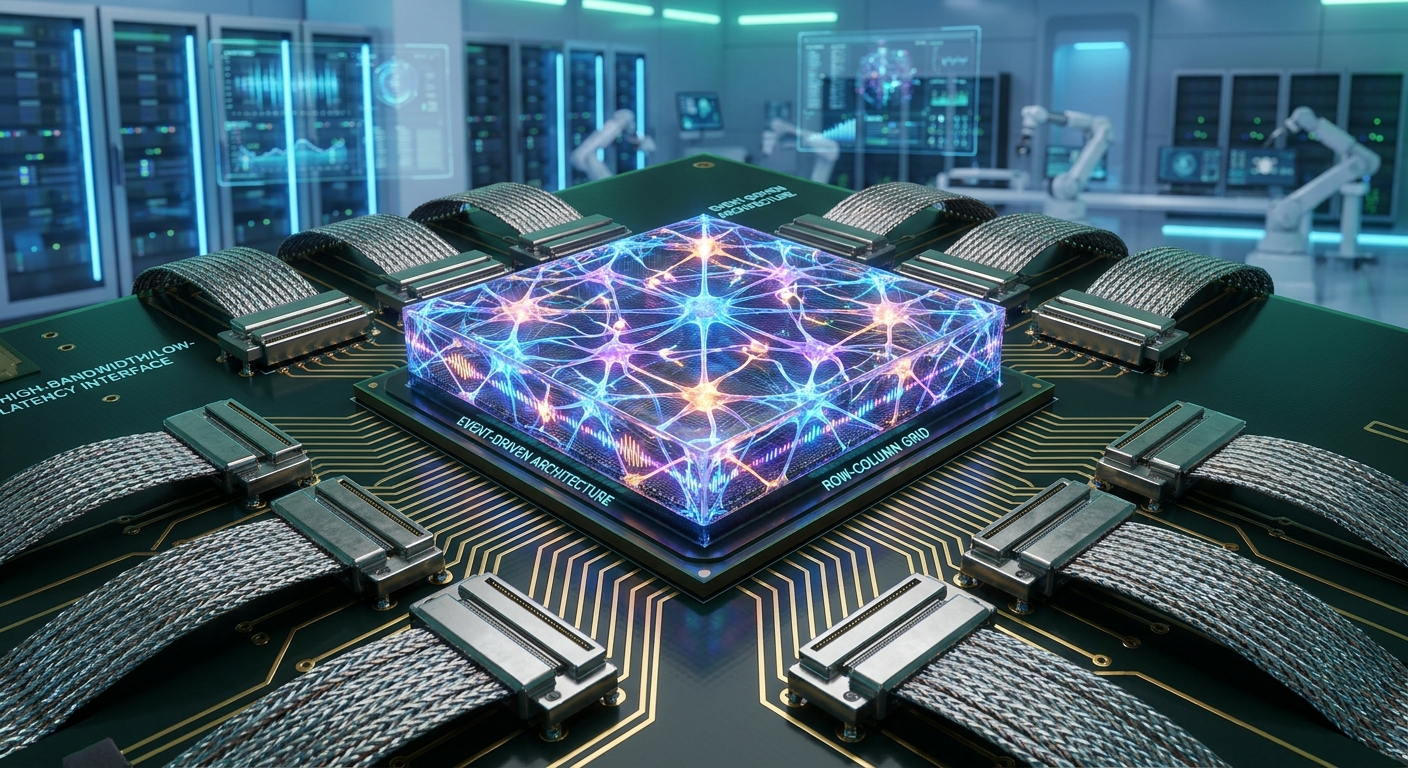
Neuromorphic chips represent a revolutionary approach to computing, designed to emulate the way the human brain processes information. Unlike traditional semiconductor chips, which operate based on a linear model, these chips utilize artificial neurons and synapses that mimic the brain’s activity, enabling them to perform complex tasks more efficiently. However, as these chips evolve, a significant challenge emerges: the need for specialized connectors that can support their unique operational requirements. This article addresses the issue of why neuromorphic chips necessitate unconventional connectors, an aspect often overlooked in discussions about their functionality. Understanding these needs is crucial for advancing neuromorphic technology and fully realizing its potential. Many assume that traditional data connections suffice for all types of chips, but as we will explore, the distinct architecture of neuromorphic systems demands specially designed interfaces. Readers will learn about the specific connector challenges and innovations that are shaping the future of neuromorphic computing.
Understanding Neuromorphic Chips: The Brain in a Chip
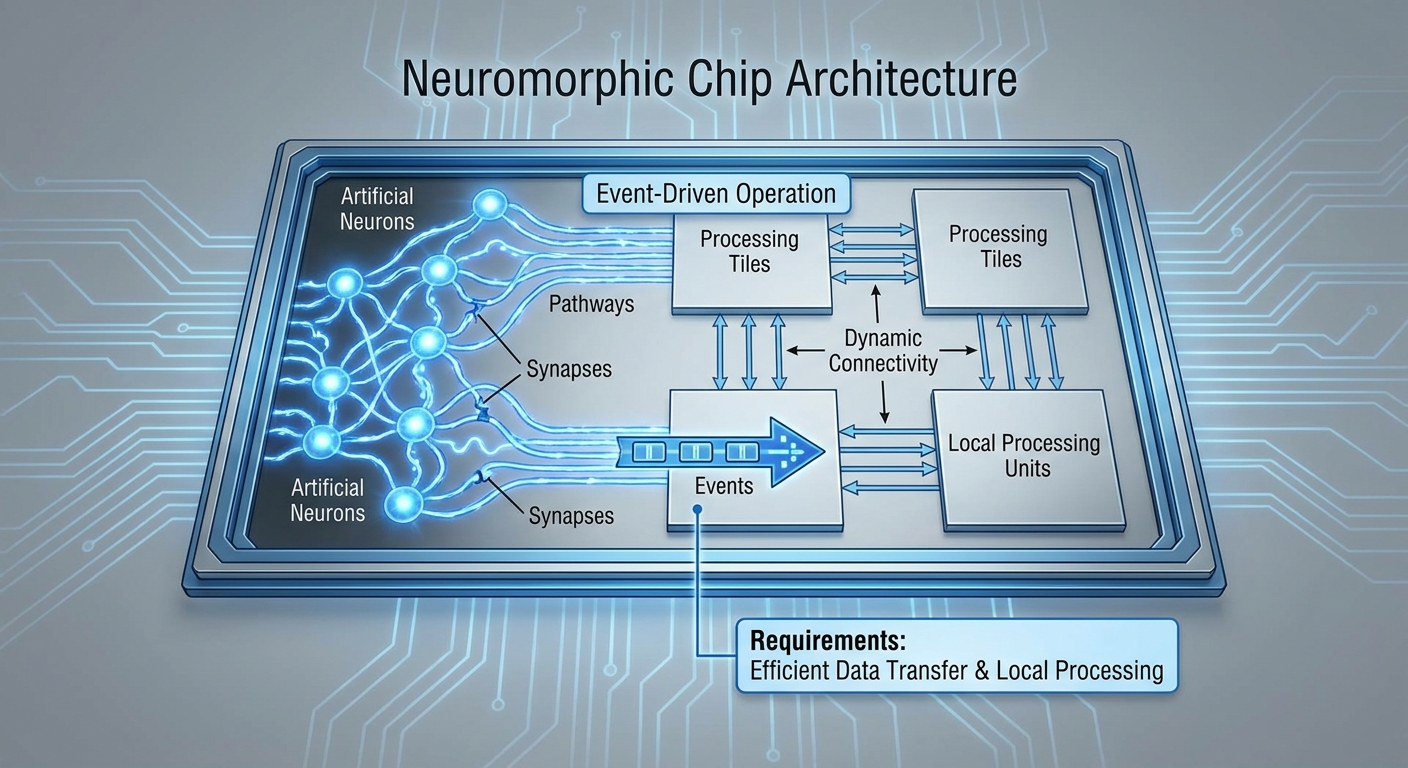
Neuromorphic computing is inspired by biological neural networks. These chips contain artificial neurons that communicate through spikes, similar to how neurons in the brain do. The communication in these systems is not only about transmitting signals but also about processing and learning from them. This ability to adapt the strength of synaptic connections based on input data allows neuromorphic chips to perform tasks like pattern recognition more efficiently than classical architectures. The key aspects that differentiate these chips include:
- Event-Driven Architecture: Unlike traditional chips that execute instructions sequentially, neuromorphic chips operate on an event-driven basis, processing inputs only when spikes occur.
- Local Processing: They facilitate local computation, meaning that nearby neurons can process and relay information quickly, minimizing latency.
- Dynamic Connectivity: The strength of connections can change over time, a feature that mimics the human brain’s plasticity.
The Need for Specialized Connectors
As we dive deeper into neuromorphic chip design, it becomes apparent that the traditional data cables and connectors currently in use are not suitable for their unique requirements. Several reasons underpin this necessity for specialized connectors:
1. Enhanced Bandwidth and Data Integrity
Neuromorphic chips require connectors that can handle high bandwidth to support fast, dynamic data spikes. Traditional connectors, such as standard USB types, lack the capacity and data integrity needed for event-driven communications. The use of specialized connectors can help achieve:
You may also like


- High-Frequency Signals: Allowing for rapid communication between densely packed artificial neurons, which can number in the millions.
- Minimal Collision Rates: Reducing the likelihood of data loss or errors resulting from multiple simultaneous data streams.
2. Reduced Complexity in Connections
Another challenge is the physical arrangement of the chips. Neuromorphic chips often utilize a row-column architecture, allowing for efficient communication paths. This layout necessitates connectors that can simplify the arrangement, making it easier to route signals without creating bottlenecks. By structuring connectors to fit this architecture, designers can:
- Improve Signal Routing Efficiency: Leveraging localized communication strategies.
- Facilitate Compact Designs: Reducing space and complexity in systems that house these chips.
3. Future-Proofing for Advanced Applications
As neuromorphic technology continues to advance, the connectors used must accommodate future applications that could involve even more sophisticated forms of computation. This forward-thinking design aspect means that connectors should not only serve current demands but also adapt to emerging needs such as:
- Support for New Coding Techniques: Including those that improve the efficiency of event-driven networks.
- Integration of Hybrid Systems: Where neuromorphic chips interact with traditional processing units seamlessly.
Challenges in Connector Design
The journey toward effective connector solutions isn’t without its complexities. Here are some significant design challenges faced in the industry:
1. Overhead in Arbitration and Event Handling
As mentioned in the source material, the inherent need for arbitration and management of simultaneous data requests significantly complicates connector design. Effective methods to minimize the overhead include:
- Utilizing Locality in Arbiter Trees: To streamline data flow.
- Implementing Pipelined Structures: For managing multiple data requests efficiently, decreasing the required time for processing.
2. Transitioning from Conventional to Novel Solutions
Many researchers and engineers still operate under the assumption that existing technologies will suffice. Transitioning to new connector systems involves:
- Educating stakeholders on the unique requirements of neuromorphic computing.
- Constituting a shift in design philosophies across the engineering landscape.
Case Studies and Advances in Connector Technology
Innovative companies and research institutions are already paving the way in the development of connectors that are tailor-made for neuromorphic chips:
Example 1: Point-to-Point Connectivity Solutions
A recent study presented a point-to-point connectivity design that reduced the arbitration overhead by organizing neurons into efficient rows and columns. This approach not only minimizes physical space but also enhances speed and performance across the chip. Key factors include:
- Reducing arbiter complexity from O(log2(N)) to more manageable levels, leading to lower latency.
- Leveraging long settling times with high-dimensional connections that make use of opportunity-driven encoding.
Example 2: Custom Chip Solutions
Companies like IBM and Intel are exploring entirely bespoke chip designs where the chips themselves integrate new forms of connectors. These proprietary solutions may include:
- Optimized Communication Protocols: Tailored for neuromorphic needs.
- Usage of Unused Pins in existing connectors, such as USB-C, to minimize the need for entirely new designs while enhancing functionality.
Frequently Asked Questions (FAQ)
Q1: What are neuromorphic chips?
A1: Neuromorphic chips are specialized processors designed to emulate the neural structure of the human brain, using artificial neurons and synapses to process information in a parallel, event-driven manner.
Q2: Why can’t traditional connectors be used for neuromorphic chips?
A2: Traditional connectors do not provide the necessary bandwidth, data integrity, and arrangement efficiency required for the dynamic and rapid communication needs of neuromorphic chips.
Q3: How do neuromorphic chips communicate?
A3: These chips communicate using spikes that mimic the way biological neurons transmit signals, relying heavily on local processing to handle data efficiently.
Q4: What design challenges do these connectors face?
A4: Challenges include managing overhead in arbitration and event handling, simplifying physical connections while maintaining performance, and transitioning from conventional design philosophies.
Q5: Are there any companies pioneering new connector technologies?
A5: Yes, companies like IBM and Intel are developing custom solutions and innovative designs to enhance connector technology specifically for neuromorphic computing.
Conclusion
In summary, the development of neuromorphic chips is prompting a critical need for specialized connectors that meet the unique demands of this innovative computing architecture. The transition to these novel designs not only enhances performance but also paves the way for the next generation of computing technology. As the landscape of computational understanding continues to evolve, it is crucial to stay informed about advancements in both neuromorphic chips and the connectors that will drive their efficiency and effectiveness.
Related topics of interest include neuromorphic computing applications in artificial intelligence and machine learning.
Rotating USB