How to Check the Health of a USB Cable Using Software
In the world of technology, USB cables serve as the lifeline for connectivity between devices, whether it’s transferring data or charging gadgets. However, not all USB cables are created equal, and over time, their efficiency can diminish due to wear and tear, inferior manufacturing quality, or incompatible specifications. This article addresses the very real issue of how to check the health of a USB cable using software tools. Understanding the capabilities and limitations of your USB cables can prevent data corruption, slower charge times, or even device malfunction.
This topic is increasingly relevant as USB technology evolves, with various specifications such as USB-A, USB-C, and even Thunderbolt. A common misconception is that any USB cable will perform equally well regardless of its type or quality. In reality, the performance and capabilities can vary widely and sometimes require software intervention to assess. Readers will learn about available software solutions and methods for testing USB cables, ultimately empowering them to make informed decisions about their connectivity solutions.
Understanding USB Cable Specifications
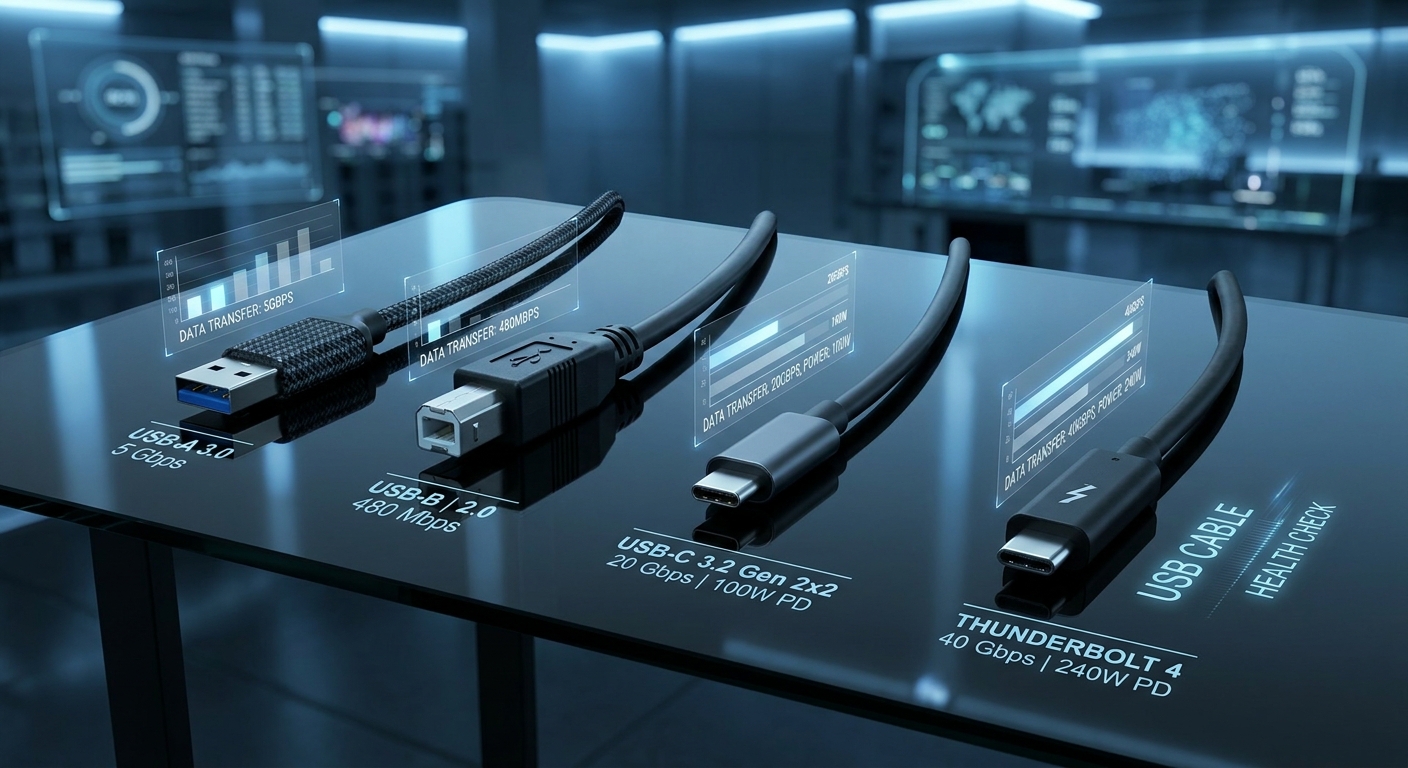
Before diving into the software tools available for testing USB cable health, it’s important to understand the different USB specifications:
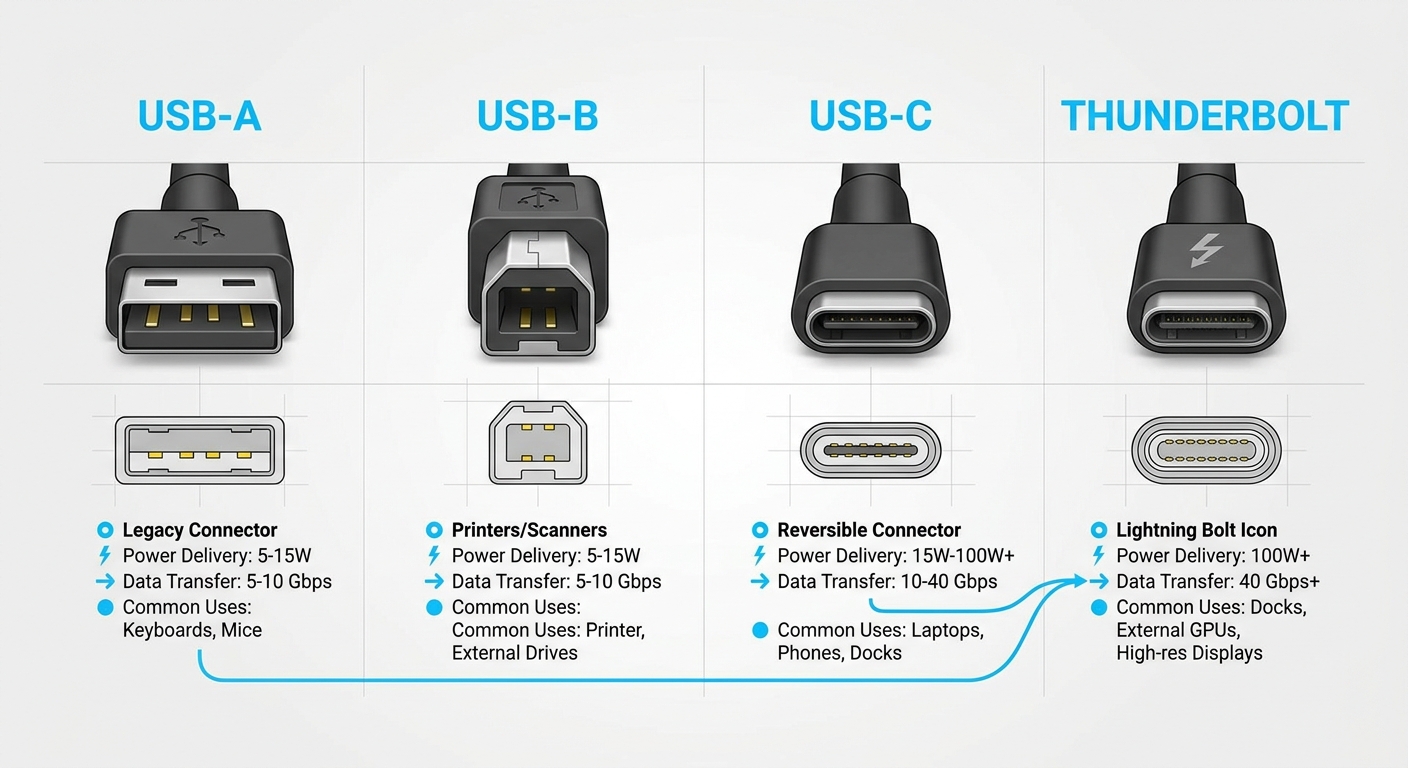
- USB-A: The most common standard, used primarily for standard devices like keyboards and mice.
- USB-B: Often used in printers and other heavier devices.
- USB-C: A newer connector type that supports higher data transfer speeds and increased power delivery.
- Thunderbolt: A high-speed connector that is compatible with USB-C but offers further capabilities.
How Software Can Help Check USB Cable Health
There are several software solutions available that allow users to test the health of USB cables effectively. Some of the most notable tools include:
You may also like



1. USBCheck
USBCheck is specifically designed to determine whether your USB Type-C cable meets specifications. It checks the current draw while the cable is connected to a device, allowing users to verify if the cable is suitable for fast charging and high-speed data transfer by analyzing the performance metrics.
2. USB Test Software
This tool allows users to monitor USB activity on their Windows machines. It provides detailed insights into the data being transferred, recording incoming and outgoing data streams in real-time. Users can analyze I/O Request Packets (IRPs) and Input/Output Control Codes (IOCTLs), which helps in diagnosing connectivity issues. This tool can also export data for further analysis.
3. USB Diagnostics App
For mobile users, the USB Diagnostics app is highly effective for diagnosing USB devices connected via OTG or a hub. This app provides detailed information and diagnostics, allowing you to check for issues related to power supply and connectivity directly from your mobile device.
Testing Methodologies
Using the above software tools, you can establish a methodology to assess cable health. Here’s how you might proceed:
- Choose Your Testing Tool: Depending on your operating system (Windows, macOS, or mobile), select an appropriate software tool.
- Connect the Cable: Attach the USB cable to a device that supports its specifications. Ensure that both ends are securely connected.
- Run the Software: Open the chosen tool and follow the prompts to begin testing. Pay attention to metrics such as voltage and current.
- Analyze Data: Review the results for anomalies such as low power delivery, slow data transfer rates, or connection interruptions.
- Compare with Standards: Refer to official USB specifications to compare the capabilities of your cable against industry standards.
Common USB Cable Issues and Resolutions
Even after testing, users may encounter several common issues with USB cables. Here are some frequent problems and potential solutions:
- Insufficient Power Delivery: If your device charges slowly, the cable may not support high wattage. Testing with USBCheck can confirm if your cable can handle the required power.
- Data Transfer Speeds: Slow transfer rates may indicate that the cable is not compatible with USB 3.0 or higher. Testing with USB Test Software can help determine if the cable meets the necessary specifications.
- Deteriorating Connections: Regularly into the data received during testing can highlight any irregularities in connection quality, suggesting the need for cable replacement.
Frequently Asked Questions
What is the difference between USB-C and Thunderbolt cables?
USB-C is a universal connector type, while Thunderbolt cables (compatible with USB-C) provide additional features like higher data transfer rates and daisy-chaining capabilities.
Can USB cables degrade over time?
Yes, USB cables can degrade due to physical wear, exposure to heat, and stress from bending or twisting. Regular testing can help identify such issues.
Are there free software options for testing USB cable health?
Yes, tools like USB Test Software and USB Diagnostics offer free options for checking USB cable health.
How can I tell if my USB cable is genuine or counterfeit?
Comparing performance data using software tools can reveal discrepancies that suggest counterfeits, such as slower data transfer speeds or inconsistent power output.
What should I do if my USB cable fails the health check?
If a cable fails a health check, it’s advisable to replace it with a certified cable that meets the relevant specifications to ensure optimal performance and safety.
Conclusion
Understanding how to assess the health of a USB cable using software is vital for maintaining device performance and safety. By utilizing applications like USBCheck, USB Test Software, and USB Diagnostics, users can effectively determine the capabilities of their cables and troubleshoot issues when they arise. As technology continues to advance rapidly, staying informed about your USB hardware is more critical than ever, particularly with the emergence of newer standards.
Consider looking into related topics, such as USB-C specifications or the differences between USB and Thunderbolt, for a deeper understanding of your connectivity options.