The Google Quantum AI Milestone That Made Headlines
Recently, Google Quantum AI achieved a noteworthy milestone in the world of quantum computing, demonstrating a significant step forward in their quest for developing a scalable and functional quantum computer. This article addresses the complexities of quantum error correction and its implications for future technologies. Many people have a common misconception that quantum computers already solve real-world problems, yet most current applications remain theoretical or limited to specific scenarios. Here, we will unpack how Google’s recent advancements in error correction mark a substantial move toward realizing practical quantum computing, discuss what this milestone entails, and explore the roadmap ahead.
Understanding Quantum Computing and Error Correction
At its core, quantum computing harnesses the principles of quantum mechanics to process information in fundamentally different ways than classical computers. The basic unit of information in quantum computing is the qubit, which unlike classical bits, can exist in a superposition of states. This capability allows quantum computers to perform multiple computations simultaneously, offering potential for exponential speedups in problem-solving capabilities.
The Problem of Quantum Errors
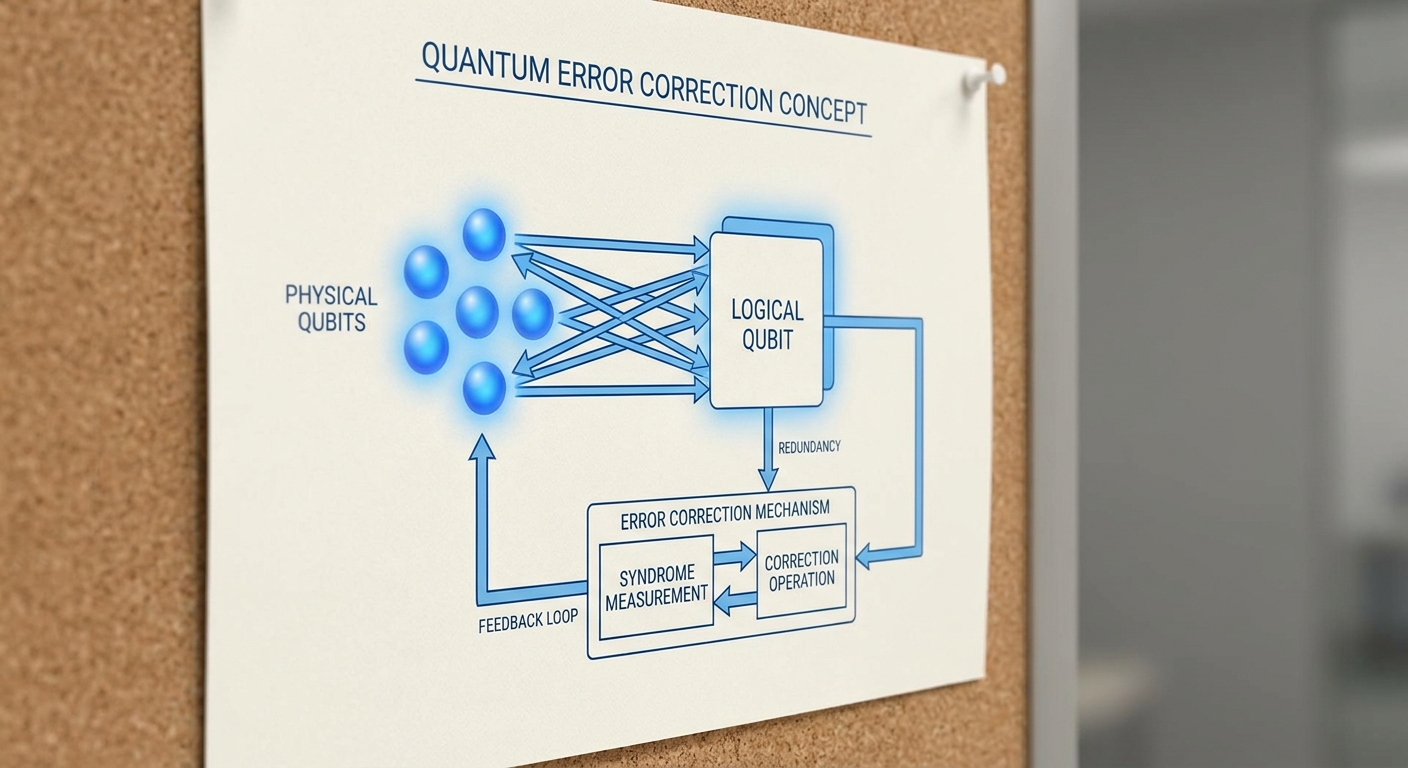
As quantum computers continue to scale, they face significant challenges, particularly quantum errors. Qubits are highly sensitive to their environment, leading to errors during processing. Google’s recent milestone involved demonstrating a logical qubit prototype, which is a key element in quantum error correction. By utilizing more qubits within a specific framework, the team was able to lower the error rates of quantum calculations during computation. This approach is structured on the foundations of quantum error correction methods, which aim to maintain the integrity of qubit data despite the inherent noise and errors in quantum mechanics.
Significance of the Milestone
Achieving this milestone represents a major achievement in Google’s roadmap for building a useful error-corrected quantum computer. The demonstration provides a clear proof of concept that increasing the number of qubits can effectively manage and mitigate errors, thus paving the way for future developments in the technology. Here are a few reasons why this milestone matters:
You may also like




- Foundation for Scalable Quantum Computing: It illustrates a pathway towards building larger quantum systems that can perform practical computations.
- Scientific Advancements: Successful quantum error correction could lead to breakthroughs in various fields, from cryptography to complex simulations in chemistry and material science.
- Competitive Edge: With competing tech giants also racing toward quantum supremacy, this advancement helps Google maintain its position as a leader in the quantum computing race.
Technical Details of the Breakthrough
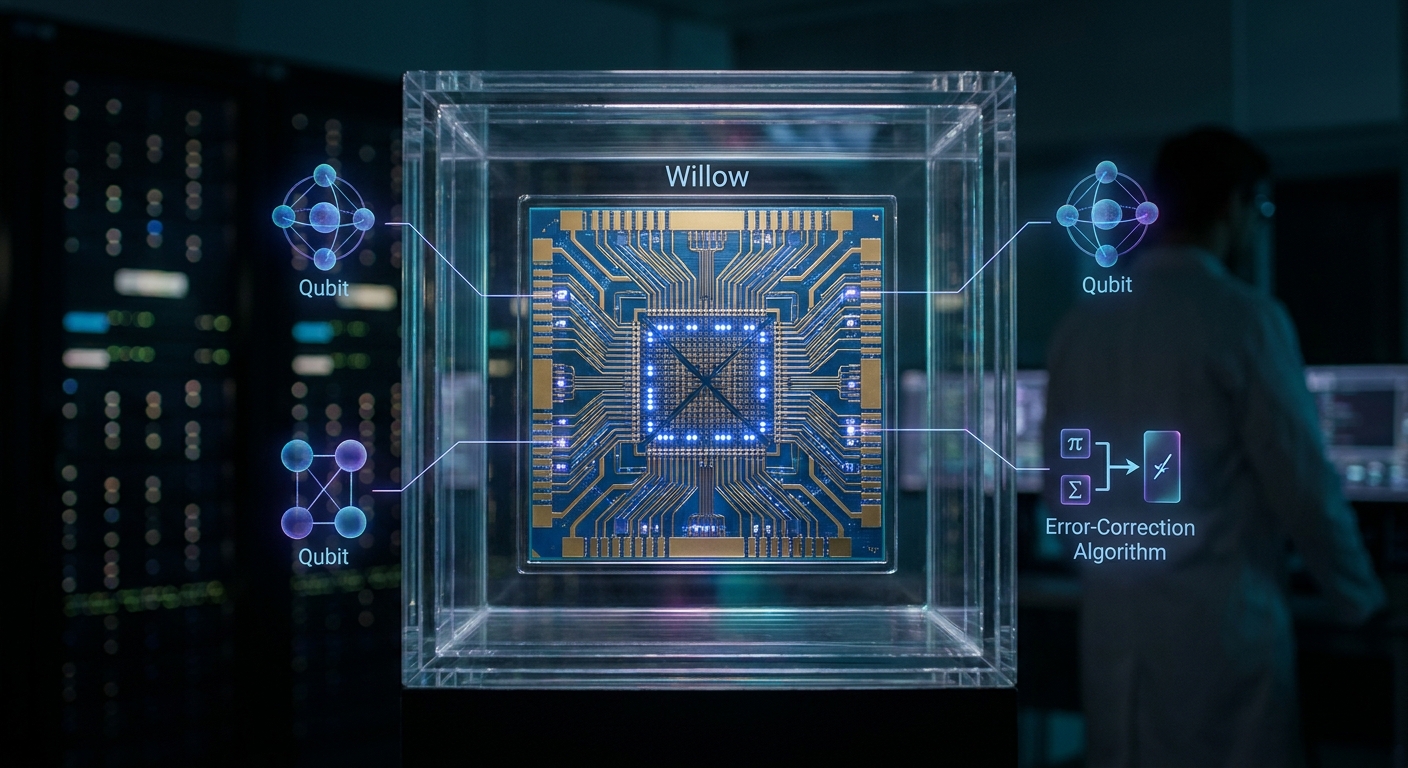
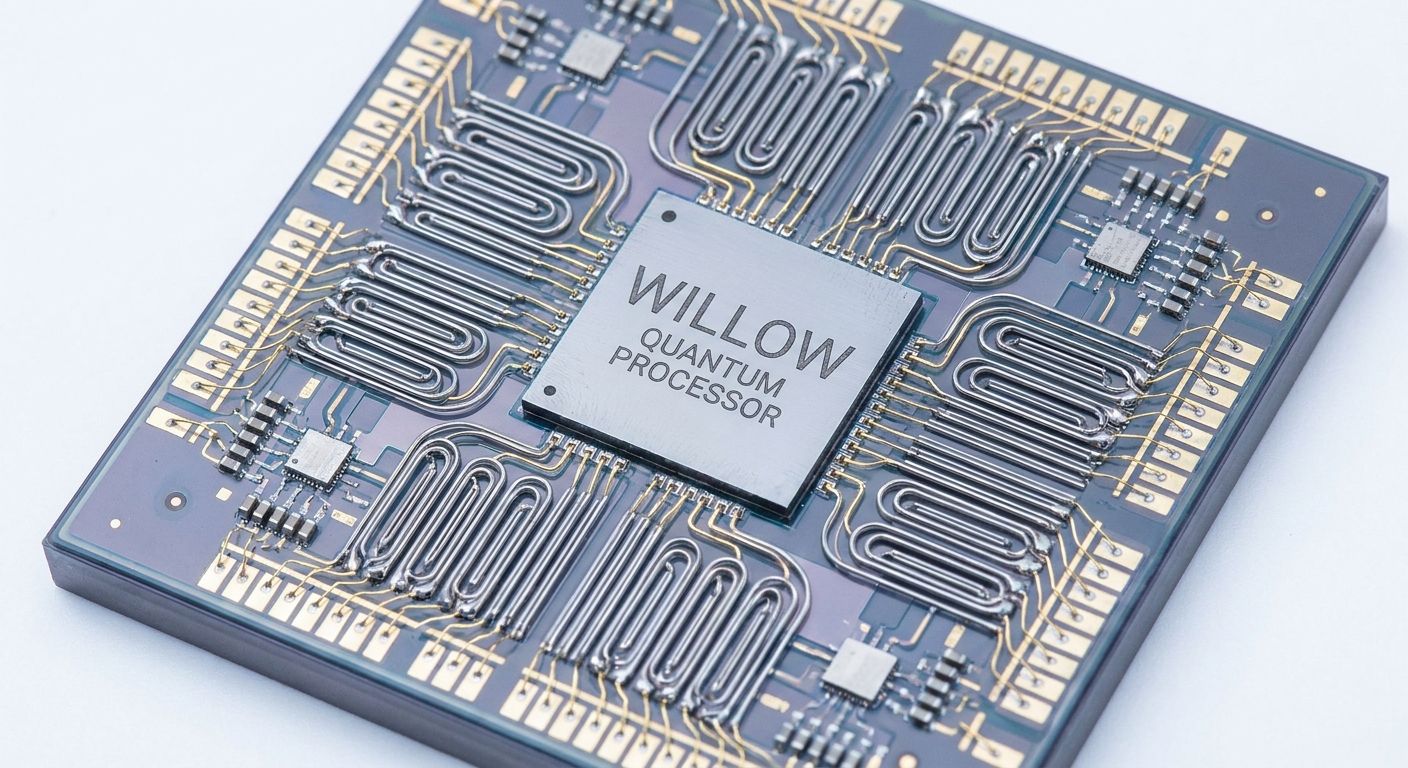
The experimental setup during the milestone achievement involved the use of a chip named Willow, which played a crucial role in demonstrating the controlled environment necessary for quantum calculations. The techniques employed rely on sophisticated algorithms that detect and correct errors before the final output is reached, which is a major hurdle in current quantum technology.
Quantum Error Correction Techniques
Several strategies are being pursued within quantum error correction, including:
- Redundancy: Using multiple physical qubits to represent a single logical qubit to ensure that even if some qubits fail, the overall computation remains intact.
- Feedback Mechanisms: Continuously monitoring qubit states to apply real-time corrections to errors.
- Encoding Schemes: Utilizing mathematical frameworks that allow for the encoding of data in such a way that it is resilient to specific types of errors.
The Future Ahead
Google has laid out a comprehensive roadmap that consists of six milestones, which will aid in the transition from theoretical constructs to practical applications of quantum computing. The current focus is on scaling up from the logical qubit prototype demonstrated to a fully functional quantum system capable of handling real-world problems. However, experts still caution that while these advancements are noteworthy, meaningful applications remain some distance away, with current simulations still largely achievable by classical computing systems only.
Challenges and Misconceptions
Despite the excitement surrounding Google’s quantum advancements, a significant misconception persists regarding the current applicability of quantum computing. Many assume that since companies are achieving milestones, practical applications are just around the corner. However, experts emphasize that while the foundational work is essential, quantum computers have yet to demonstrate capabilities that substantially outperform classical systems in tangible, real-world tasks.
FAQs
Q1: What is a logical qubit?
A1: A logical qubit is a qubit that is designed to represent a quantum state with lower error rates by utilizing multiple physical qubits to encode the same information.
Q2: What is the purpose of quantum error correction?
A2: Quantum error correction aims to protect quantum information from errors due to decoherence and noise, thus allowing for reliable quantum computations.
Q3: How does increasing the number of qubits help reduce errors?
A3: Increasing the number of qubits provides redundancy and allows algorithms to leverage multiple representations of data, thus mitigating the impact of individual qubit errors on the overall computational outcome.
Q4: What are the current limitations of quantum computing?
A4: Current limitations include high error rates, difficulty in maintaining qubit coherence, and the lack of practical algorithms that outperform classical computers in real-world applications.
Q5: What are the next steps after this milestone?
A5: The next steps involve scaling the logical qubit to a larger quantum system and addressing the challenges of creating reliable, error-corrected quantum computers capable of handling complex computations.
Conclusion
In summary, Google’s recent milestone in the development of quantum error correction marks a significant step forward in the pursuit of practical quantum computing. As the field continues to advance, addressing challenges and misconceptions surrounding quantum technology remains crucial. The exploration of quantum computing not only holds the potential to reshape industries but also invites a broader conversation about the future of computational power and its role in solving complex problems.
For further reading on quantum computing developments, you can visit Wikipedia or check out Google’s official support page for more information on their quantum AI initiatives.
Rotating USB