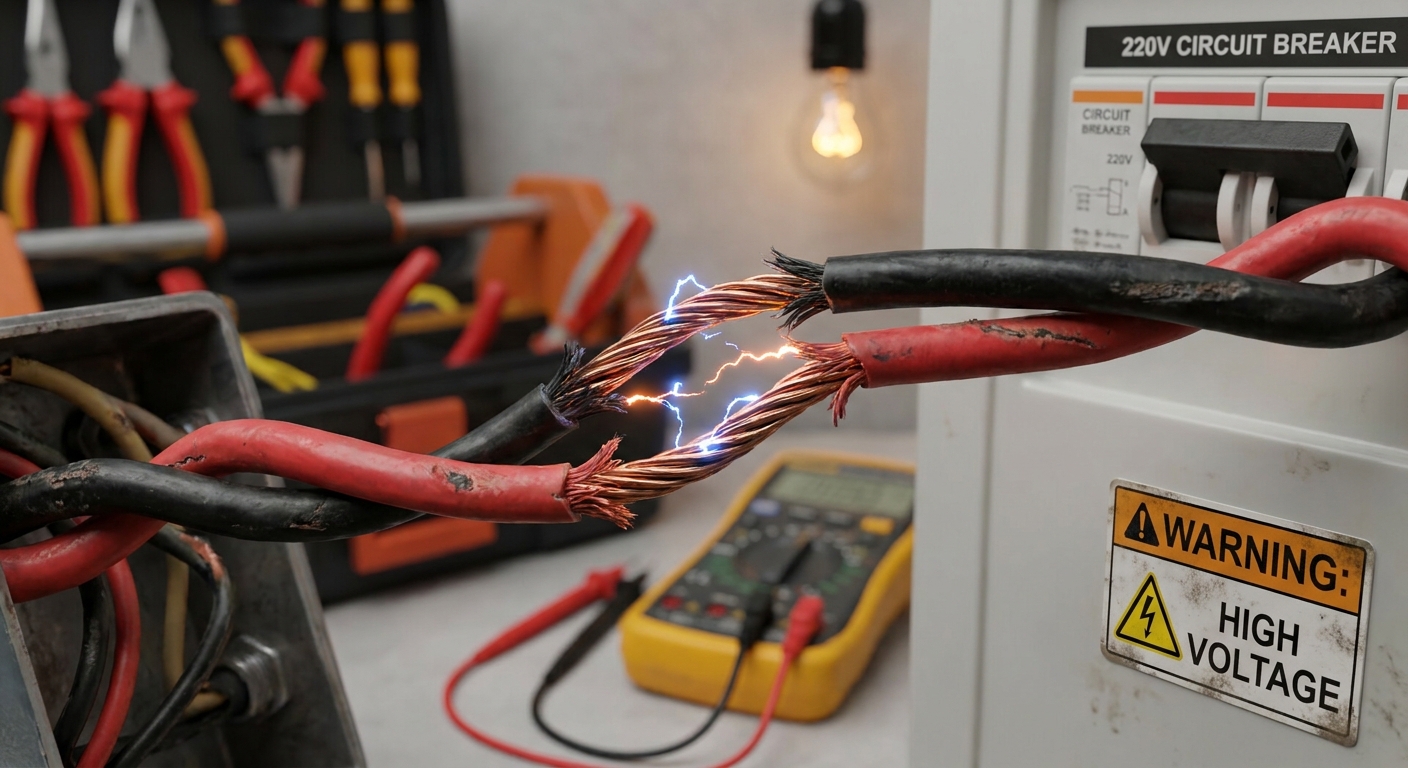
Understanding Short Circuit Symptoms: Red Wire Color Codes
Electrical systems are an integral part of modern life, powering everything from everyday appliances to complex machinery. However, with this power comes the responsibility of understanding the signs of electrical issues, including short circuits. One of the critical aspects of diagnosing electrical problems is recognizing wire color codes, particularly the role of red wires. This article specifically addresses the symptoms associated with short circuits and the relevance of red wire color codes in various electrical systems. Understanding these elements is crucial for homeowners, electricians, and DIY enthusiasts alike to ensure safety and proper functionality. Many misconceptions exist around wire color codes, often leading individuals to misinterpret the purpose of wires, which can be hazardous. Readers will learn about the specific functions of red wires, how to identify potential short circuit symptoms, and essential troubleshooting techniques.
The Basics of Wire Color Codes
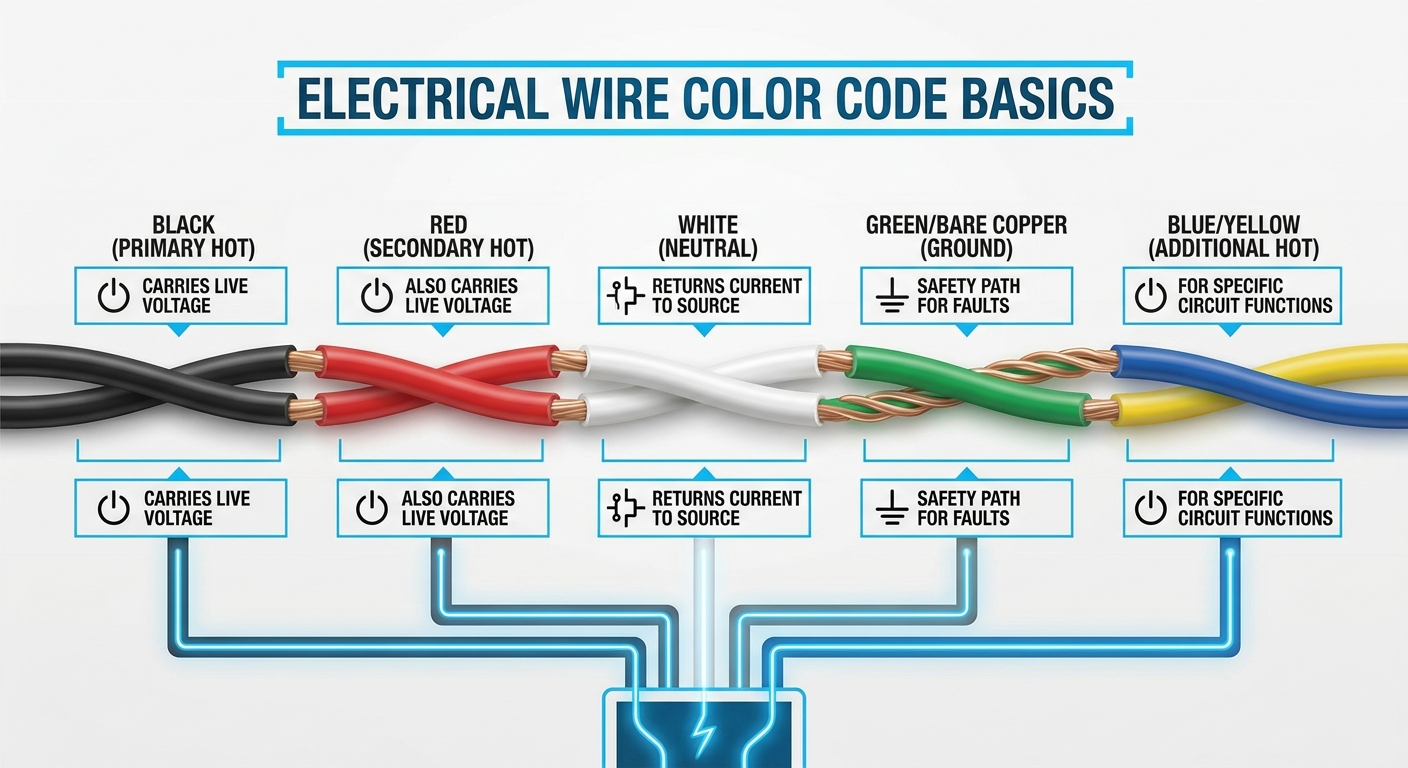
Electrical wiring is governed by a standardized color coding system that helps users identify the purpose of each wire involved in a circuit. According to various guides, including the Wikipedia article on electrical wiring, these codes are critical for maintaining safe electrical practices. Here’s a summary of common wire colors:
- Black: Primary hot wires
- Red: Secondary hot wires, often used in conjunction with black in 220V circuits
- White: Neutral wires
- Green or Bare Copper: Ground wires
- Blue or Yellow: Additional hot wires in multi-phase systems
The Significance of Red Wires
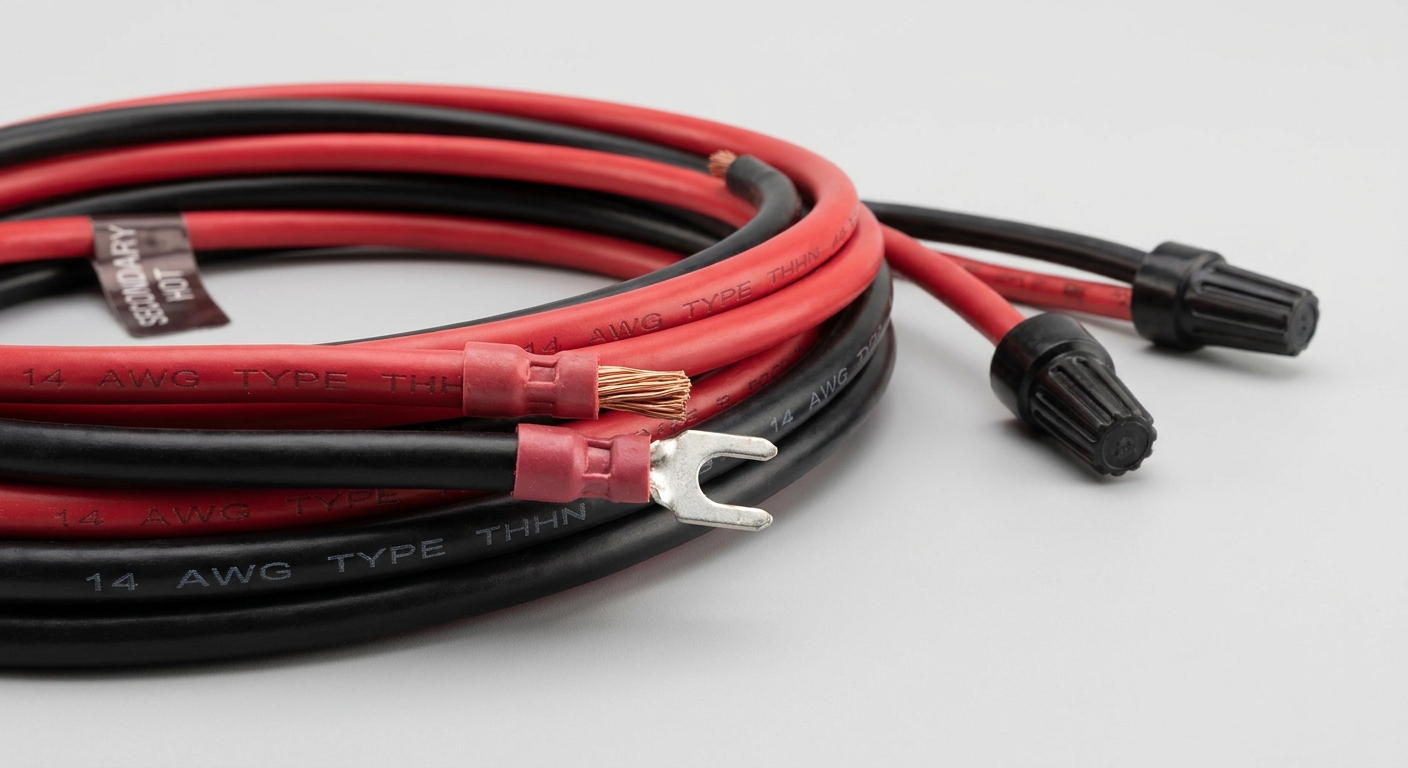
Red wires typically serve as secondary live wires in electrical systems. In circuits rated for 220V, red wires often accompany black wires, providing a vital role in ensuring adequate power supply for larger appliances. They can also act as switch legs in some configurations, connecting to devices like hardwired smoke detectors. Misunderstanding the role of red wires can lead to unsafe practices, particularly when attempting repairs or installations. It is essential to correctly identify and respect the function of each wire to prevent short circuits and other electrical failures.
Symptoms of Short Circuits
Short circuits occur when electricity flows along an unintended path, often leading to safety hazards such as fires or equipment failure. Recognizing the symptoms of a short circuit is crucial for timely intervention:
You may also like



- Tripped Circuit Breakers: Regularly tripped breakers indicate an overload or short circuit.
- Flickering Lights: If your lights flicker or dim unexpectedly, this could result from a short circuit affecting the power supply.
- Unusual Smells or Sparks: Burning odors or visible sparks at outlets or junction boxes are clear indicators of electrical issues.
- Warm or Hot Outlets: If an outlet feels warm to the touch, it may be unsafe, potentially due to a short circuit.
- Buzzing Sounds: Electrical buzzing or humming can signify instability in the circuit.
Common Causes of Short Circuits
Understanding the primary causes of short circuits helps in troubleshooting and prevention:
- Damaged Insulation: Worn or frayed wire insulation can expose conductive materials.
- Mismatched Wire Ratings: Using wires not rated for the load can create excessive current flow, leading to short circuits.
- Moisture Intrusion: Water exposure can lead to short circuits, particularly in outdoor wiring systems.
- Faulty Connections: Loose or corroded connectors can result in unintended pathways for current.
Troubleshooting Short Circuit Issues
If you suspect a short circuit, it’s crucial to follow proper troubleshooting processes to safely identify and rectify the issue:
- Turn Off the Power: Always begin by switching off the circuit breaker to ensure safety.
- Inspect Wiring: Check for visible damage or wear, focusing on the red wires and other potential problem areas.
- Test Circuits: Use a multimeter to measure voltage and check for inconsistencies that could indicate short circuits.
- Identify Overloaded Circuits: Make sure the wiring is not overloaded beyond recommended ratings.
- Consult a Professional if Needed: If the problem persists, seek assistance from a qualified electrician to prevent risks.
Preventative Measures
Proactively maintaining your electrical system can help prevent short circuits:
- Regularly inspect your wiring, especially in older installations.
- Ensure that all electrical projects comply with local codes and regulations.
- Invest in quality components and wiring materials.
- Limit the number of devices connected to a single circuit.
- Consider installing surge protectors to safeguard against voltage spikes.
Frequently Asked Questions
Q1: What does a red wire typically indicate in electrical systems?
A1: Red wires often represent secondary hot wires in 220V circuits and can be used in conjunction with black wires.
Q2: How can I identify a short circuit in my home?
A2: Common signs include tripped circuit breakers, flickering lights, unusual smells, warm outlets, and buzzing sounds.
Q3: What should I do if I notice symptoms of a short circuit?
A3: Turn off the power immediately and inspect the wiring for damage. If unsure, consult a professional electrician.
Q4: Can I use red wires as neutral wires?
A4: No, red wires should not be used as neutral wires; they are intended for hot connections only.
Q5: How can I prevent short circuits in my electrical system?
A5: Regular inspections, avoiding overloaded circuits, and ensuring all wiring is up to code can help prevent short circuits.
Conclusion
Understanding red wire color codes and the symptoms of short circuits is vital for maintaining a safe electrical environment. By recognizing these symptoms and following appropriate troubleshooting measures, you can safeguard your home against electrical hazards. Regular checks and adherence to electrical codes will contribute to a safer living space.
For more information on electrical wiring and safety, consult resources from the National Electrical Manufacturers Association or your local electrical codes.
Rotating USB