Understanding T568A vs T568B Networking Wiring Color Codes
The topic of T568A and T568B color codes is crucial for anyone involved in networking and Ethernet cable installations. The exact question this article aims to solve is: What are the differences between T568A and T568B wiring standards, and why do they matter? Proper understanding of these standards is essential for ensuring reliable network performance. A common misconception is that these standards are interchangeable when they’re actually not; using the wrong wiring can lead to connectivity issues. Through this article, readers will learn about the specific pinouts, applications, and best practices for using these wiring codes effectively.
The Basics of T568A and T568B Wiring Standards
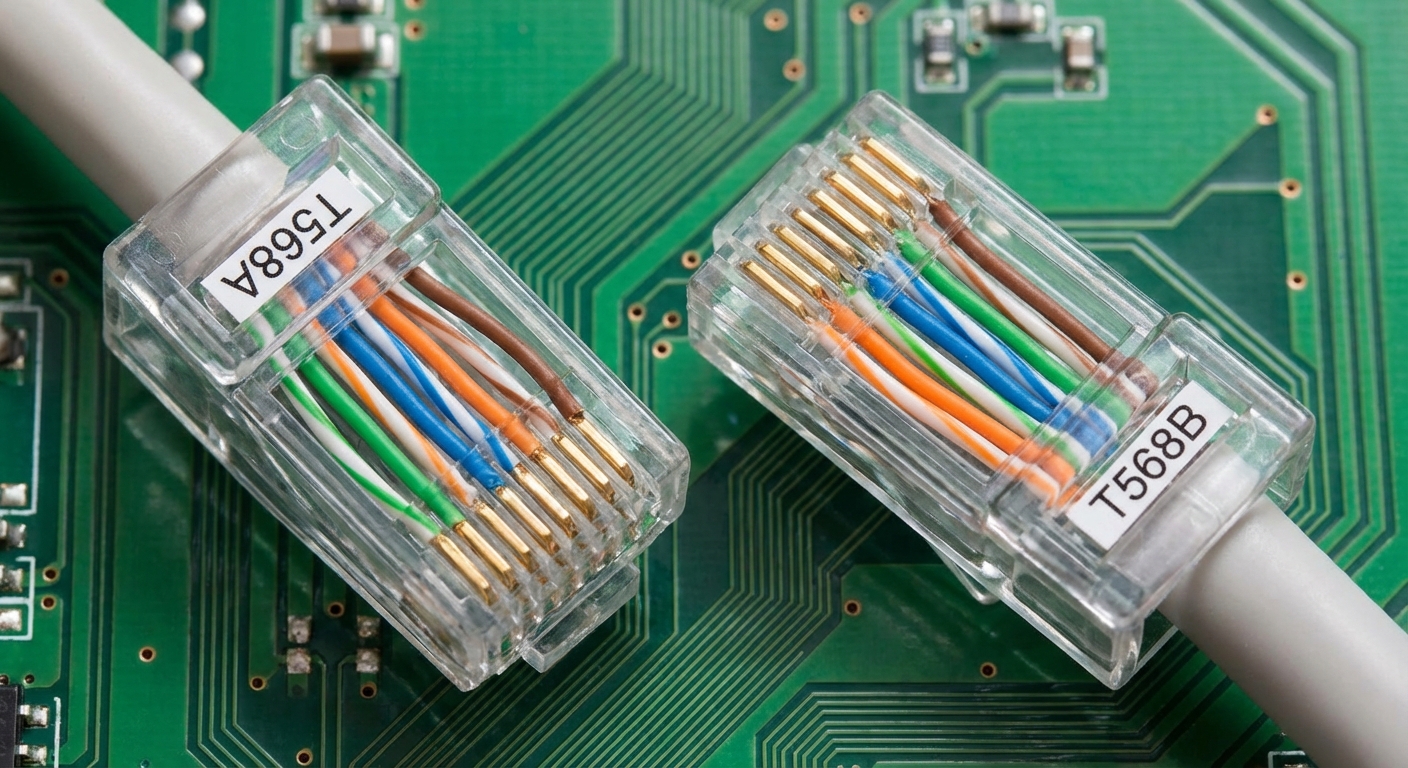
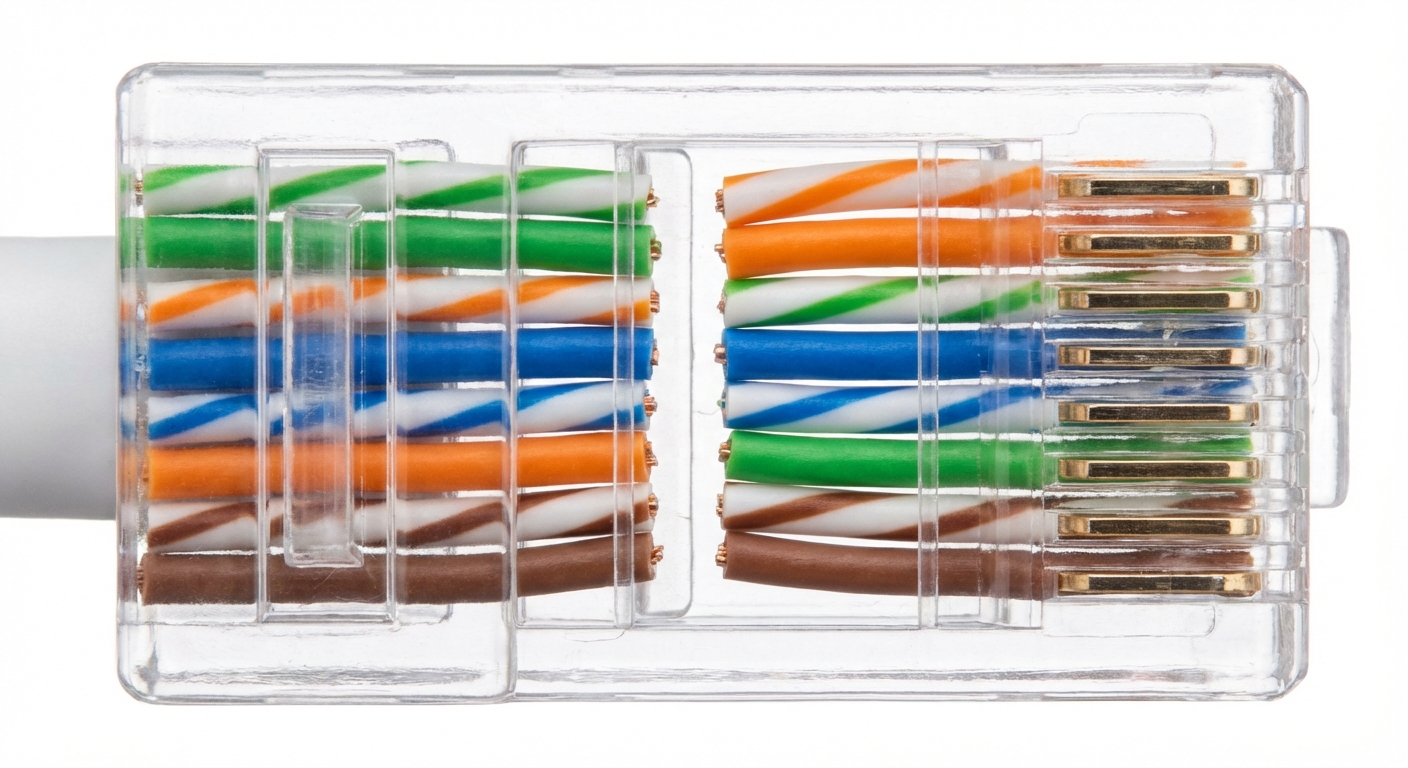
T568A and T568B are two wiring standards for the RJ45 connector, commonly used in Ethernet networking. Each standard specifies a different color code for the eight wires within the cable, which are organized into four twisted pairs.
Understanding the Color Codes
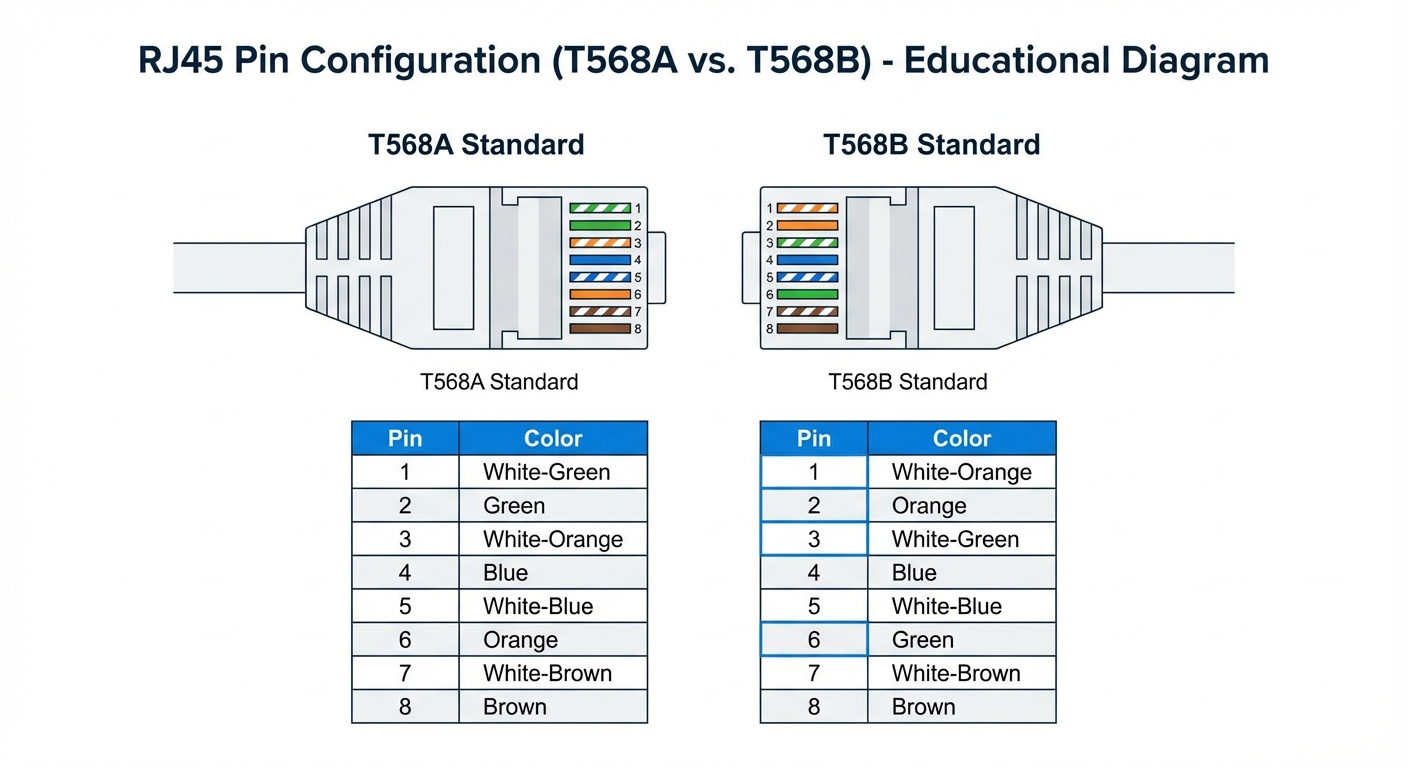
The pin configuration for both standards is vital for proper communication in networking. Below are the wiring color codes for each standard:
| Pin Number | T568A Color Code | T568B Color Code |
|---|---|---|
| 1 | White-Green | White-Orange |
| 2 | Green | Orange |
| 3 | White-Orange | White-Green |
| 4 | Blue | Blue |
| 5 | White-Blue | White-Blue |
| 6 | Orange | Green |
| 7 | White-Brown | White-Brown |
| 8 | Brown | Brown |
Applications of T568A and T568B
Both standards serve essential roles in network cabling and should be applied correctly depending on the desired network configuration.
You may also like




Straight-Through vs. Crossover Cables
- Straight-Through Cables: In a straight-through configuration, both ends of the cable are wired to the same standard (either T568A or T568B). This setup is commonly used to connect different types of devices, such as computers to switches.
- Crossover Cables: Crossover cables are designed to connect similar devices (e.g., computer to computer). This configuration requires one end to be wired with T568A and the other with T568B, allowing communication between both devices.
Choosing Between T568A and T568B
Understanding which wiring standard to use can be confusing for many, especially considering different preferences and regional standards. Here are some considerations:
Historical Context
T568A is the older standard, originating from the earlier telephone wiring conventions, while T568B was developed to promote a more efficient wiring configuration for Ethernet networks. This shift resulted in broader adoption of T568B in commercial environments as it matched existing infrastructures and provided more compatibility with legacy systems.
Compatibility and Performance
Error-free communication is paramount in networking. Both T568A and T568B provide equivalent performance, but they’re not interchangeable in actual wiring. If a network is predominantly wired using one standard, all subsequent installations should follow suit to maintain consistency and minimize troubleshooting. This is especially relevant in environments that require high data throughput.
Common Misconceptions
Many new network installers mistakenly believe they can mix T568A and T568B wiring within the same cable or installation without repercussions. This is a dangerous assumption, leading to potential data loss and connectivity issues. Incompatible cabling can complicate troubleshooting efforts and degrade overall network performance.
Practical Tips for Cable Termination
- Always verify the wiring order before crimping the RJ45 connectors to ensure compliance with your chosen standard.
- Use a cable tester after termination to confirm that all connections are correctly established and functioning properly.
- Document the wiring standard used in your network for future reference and maintenance.
FAQs
Q: Can I use T568A and T568B on the same network?
A: Yes, you can mix T568A and T568B in crossover cables, but avoid mixing within the same cable for straight-through connections.
Q: Which standard should I use for new installations?
A: It is recommended to use T568B for new installations, as it is the more widely adopted standard, particularly in commercial settings.
Q: What happens if I wire a cable incorrectly?
A: Incorrect wiring can lead to network connectivity problems, including intermittent disconnections, slower speeds, or complete data loss.
Q: Are there tests I can perform to ensure my cables are correctly wired?
A: Yes, cable testers are available that can confirm whether the wiring matches the standard you’ve chosen.
Q: Is one standard better than the other in terms of performance?
A: No, both T568A and T568B deliver the same performance. The key difference lies in their pin configuration.
Conclusion
In summary, the distinction between T568A and T568B wiring standards is essential for anyone involved in network installation and troubleshooting. Understanding their differences, applications, and the importance of consistency can help ensure effective and reliable networking solutions. For those interested in diving deeper, related topics such as fiber optic termination and advanced networking standards are worth exploring.
Rotating USB