Introduction
Heat shrink tubing is an invaluable component in electrical work, providing essential protection for wires and connections. Its color coding system plays a critical role in enhancing efficiency and accuracy during installations and repairs. However, many users overlook the significance of color codes, leading to potential errors in wiring configurations. This article addresses the common misconception that any heat shrink tubing can be used interchangeably regardless of color. Understanding the color coding and its application not only simplifies installation but also aids in maintenance and troubleshooting. Readers will learn about the various colors used in heat shrink tubing, their specific applications, and how to choose the right type and size for their projects.
Understanding Heat Shrink Tubing
What is Heat Shrink Tubing?
Heat shrink tubing consists of a polymer material that, when heated, shrinks tightly around cables and connectors. It is used extensively in electrical, automotive, and DIY applications to provide insulation, mechanical protection, and environmental sealing. The tubing is often available in various sizes, colors, and wall thicknesses, allowing users to select appropriate options for their specific needs.
How Color Coding Works
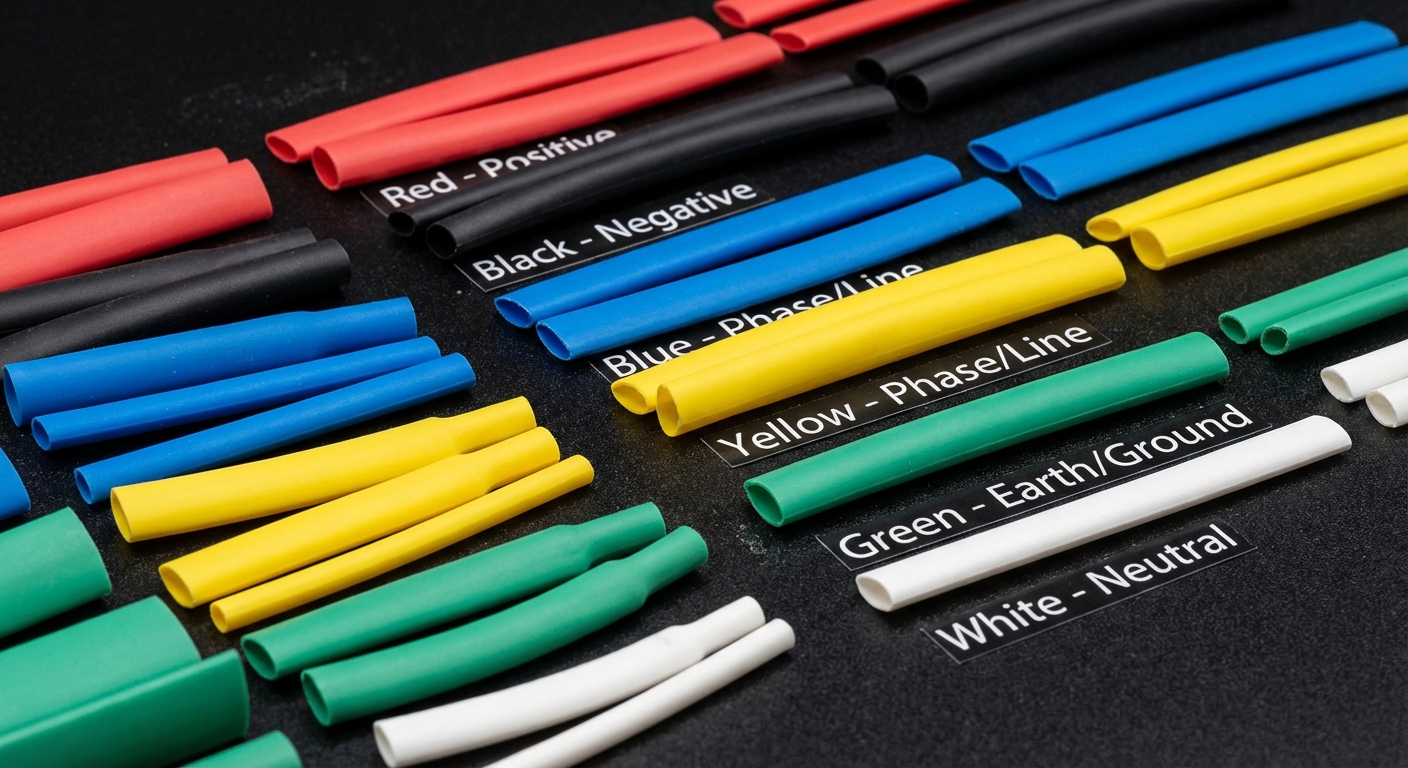
Color coding with heat shrink tubing serves to differentiate various wires and connections. Each color can represent a specific function, type of wire, or voltage level within a system. This visual distinction helps reduce errors in identification, especially in complex setups. For example, different colors can separate positive and negative wires or differentiate between power supply lines and signal lines.
Commonly Used Color Codes
While specific codes may vary by region or application, several general guidelines can be observed in the industry. Here’s a summary of common color codes:
You may also like




| Color | Common Use |
|---|---|
| Red | Positive connections in DC circuits |
| Black | Negative connections or ground wiring |
| Blue | Signal wires or low-voltage power |
| Yellow | High-voltage power cables |
| Green | Ground connections or safety wires |
| White | Neutral wires in AC wiring |
Using these codes consistently can eliminate confusion and improve safety during electrical work.
Benefits of Using Color-Coded Heat Shrink Tubing
Simplifies Installation and Maintenance
Color coding greatly simplifies the installation process for technicians and DIY enthusiasts alike. By quickly identifying wires based on their colors, users can easily connect components without the need for extensive documentation or diagrams. This is particularly beneficial during maintenance or troubleshooting, as it allows for rapid identification of wire connections.
Enhances Safety
The safety aspect of color-coded heat shrink tubing cannot be overstated. Identifying the voltage and purpose of wires at a glance significantly reduces the risk of accidental short circuits or miswirings. In environments like automotive or industrial applications where multiple wires intermingle, having a clear coding system is vital for ensuring safe operations.
Choosing the Right Size and Type
Heat Shrink Tubing Sizes
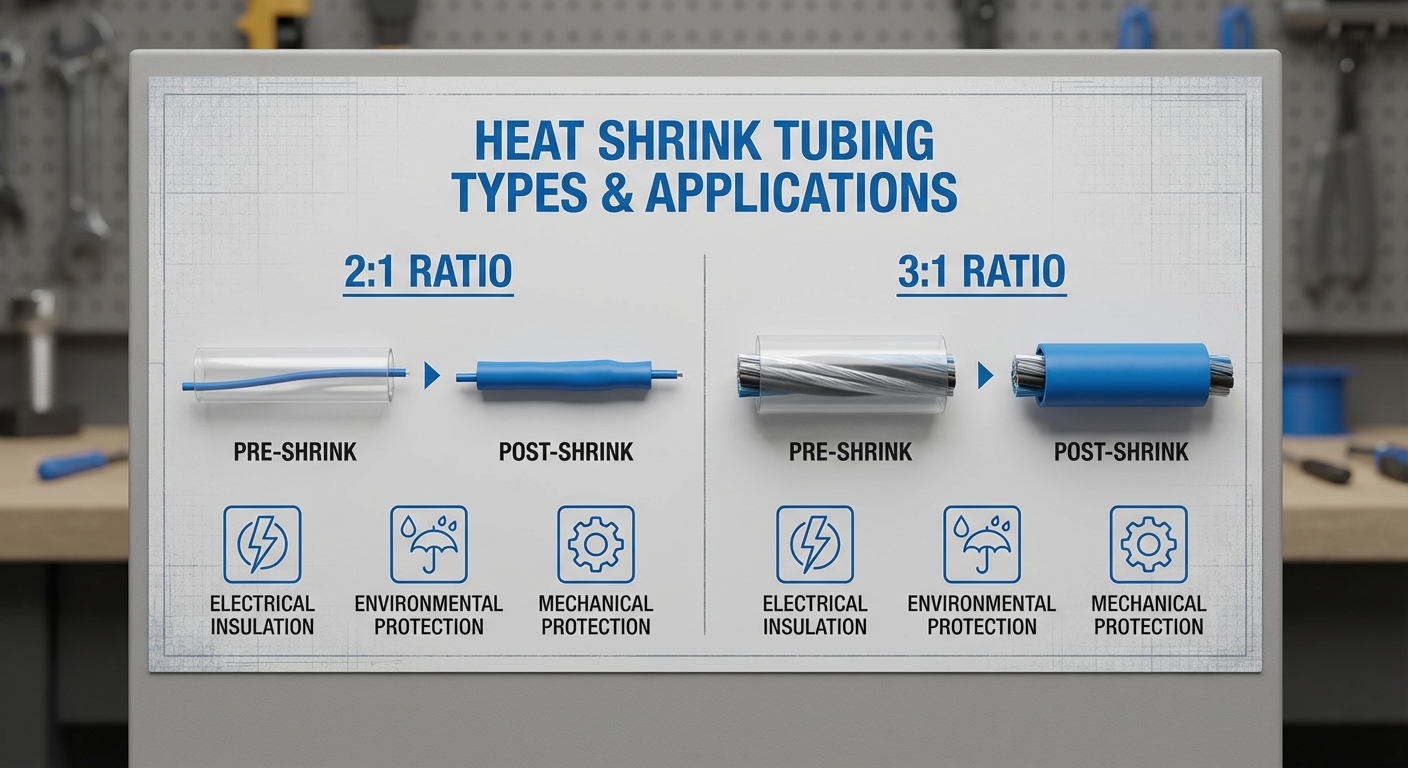
Heat shrink tubing generally comes in several sizes denoted by the ratio of shrinkage. A common ratio is 2:1, meaning that for every unit of the tubing’s original diameter, it will shrink to half that size upon heating. There are also 3:1 and other specialized types available depending on the application.
- 2:1 Ratio: Common for general applications.
- 3:1 Ratio: Offers a greater range of sizes, ideal for irregular shapes.
- Single-wall vs. double-wall: Double-wall includes adhesive lining for improved sealing.
Selecting the Right Type
Choosing the right type of heat shrink tubing depends on its intended use:
- Electrical Insulation: Standard polyolefin is widely used.
- Environmental Protection: Heat shrink tubing with adhesive lining provides superior sealing from moisture and contaminants.
- Mechanical Protection: Heavy-duty options are available for applications exposed to abrasion.
Application Examples
Heat shrink tubing is used in various industries and applications:
- Automotive: It provides insulation and safety for car wiring harnesses.
- Home Projects: DIY enthusiasts use it to repair broken wires or enhance the organization of electronic setups.
- Industrial: It serves as a protective covering for electrical connections in machinery.
Storing and Handling Heat Shrink Tubing
Storage Tips
Proper storage extends the lifespan of heat shrink tubing:
- Keep it in a cool, dry place away from direct sunlight.
- Store tubing in its original packaging until use to prevent dust accumulation.
Handling Precautions
When handling heat shrink tubing, ensure the following:
- Avoid exposing tubing to excessive heat or flames during application.
- Use a controlled heat source, such as a heat gun, for uniform shrinking.
FAQ
Q: What is the purpose of heat shrink tubing?
A: It provides electrical insulation, mechanical protection, and environmental sealing for wires and connections.
Q: How do I choose the right size of heat shrink tubing?
A: Select a tubing that is slightly larger than the diameter of the wire or connector needing insulation. A common size is the 2:1 ratio, which is widely available.
Q: What colors are commonly used in heat shrink tubing?
A: Common colors include red for positive connections, black for negative, blue for signal wires, yellow for high-voltage, green for ground, and white for neutral.
Q: How can color coding benefit my electrical project?
A: It simplifies the identification of wires during installation and maintenance, reducing the risk of errors.
Q: Can heat shrink tubing be used outdoors?
A: Yes, ensure to choose types designed for outdoor use, typically with UV resistance and adhesive lining for moisture sealing.
Conclusion
Heat shrink tubing, especially when color-coded, is essential for effective electrical work, significantly streamlining installation and enhancing safety. Understanding the color codes, sizes, and specific applications allows for better organization and reduced errors in wiring systems. For further reading, consider exploring related topics such as wire connectors or cable management techniques.
Rotating USB