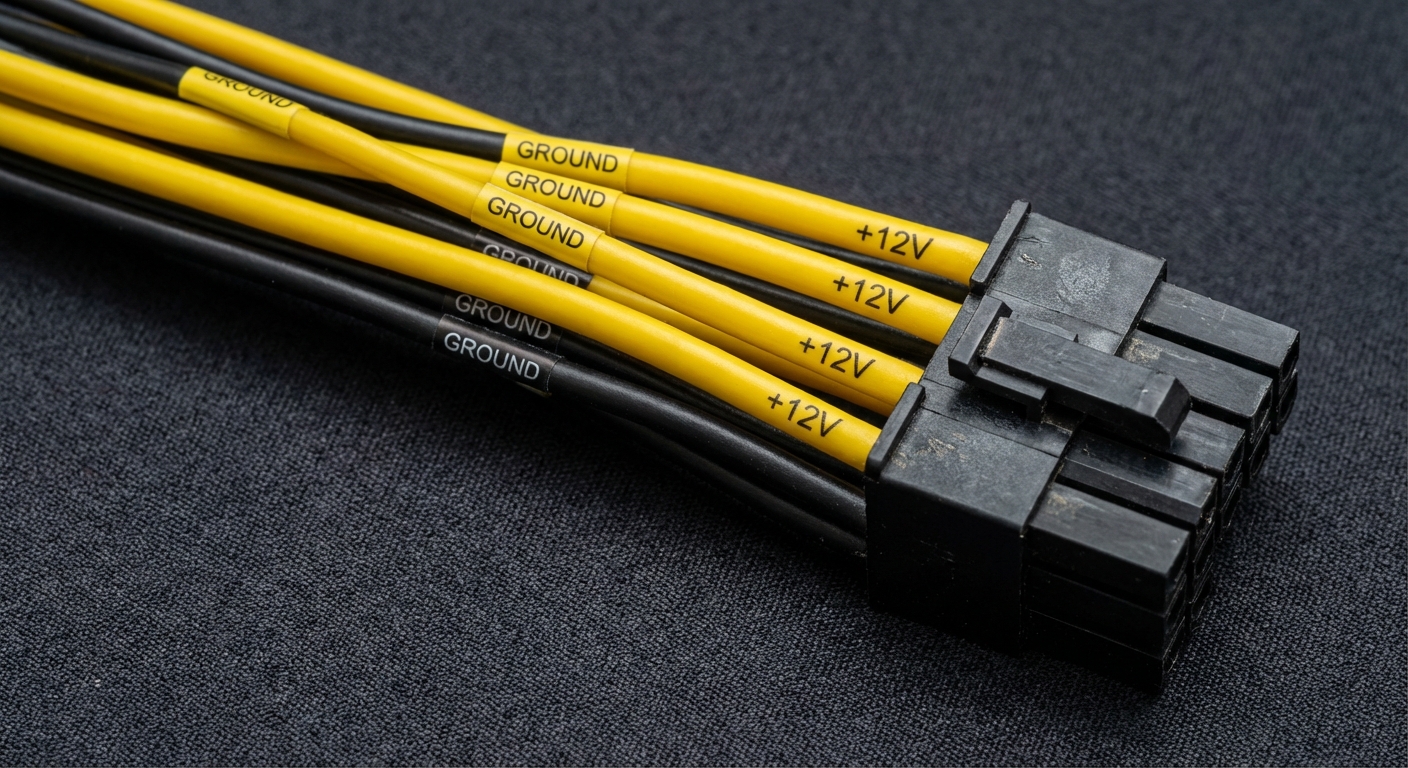
Understanding CPU 8-Pin Connector Wire Color Codes
The 8-pin CPU connector, also known as the EPS (Entry-Level Power Supply Specification) connector, plays a crucial role in delivering power to a computer’s CPU. With modern CPUs requiring more power to perform optimally, especially during high-demand tasks, it’s essential to understand the color codes associated with the 8-pin connector. Many users can encounter problems related to incorrect wiring, leading to malfunctioning systems or even damage. Misconceptions often arise around the correct specifications of these connectors, especially when using older power supply units that may only feature 4-pin connections. In this article, we’ll delve into the intricacies of the CPU 8-pin connector wire color codes, how to properly identify and utilize them, and troubleshooting steps to address any power issues.
How the 8-Pin CPU Power Connector Works
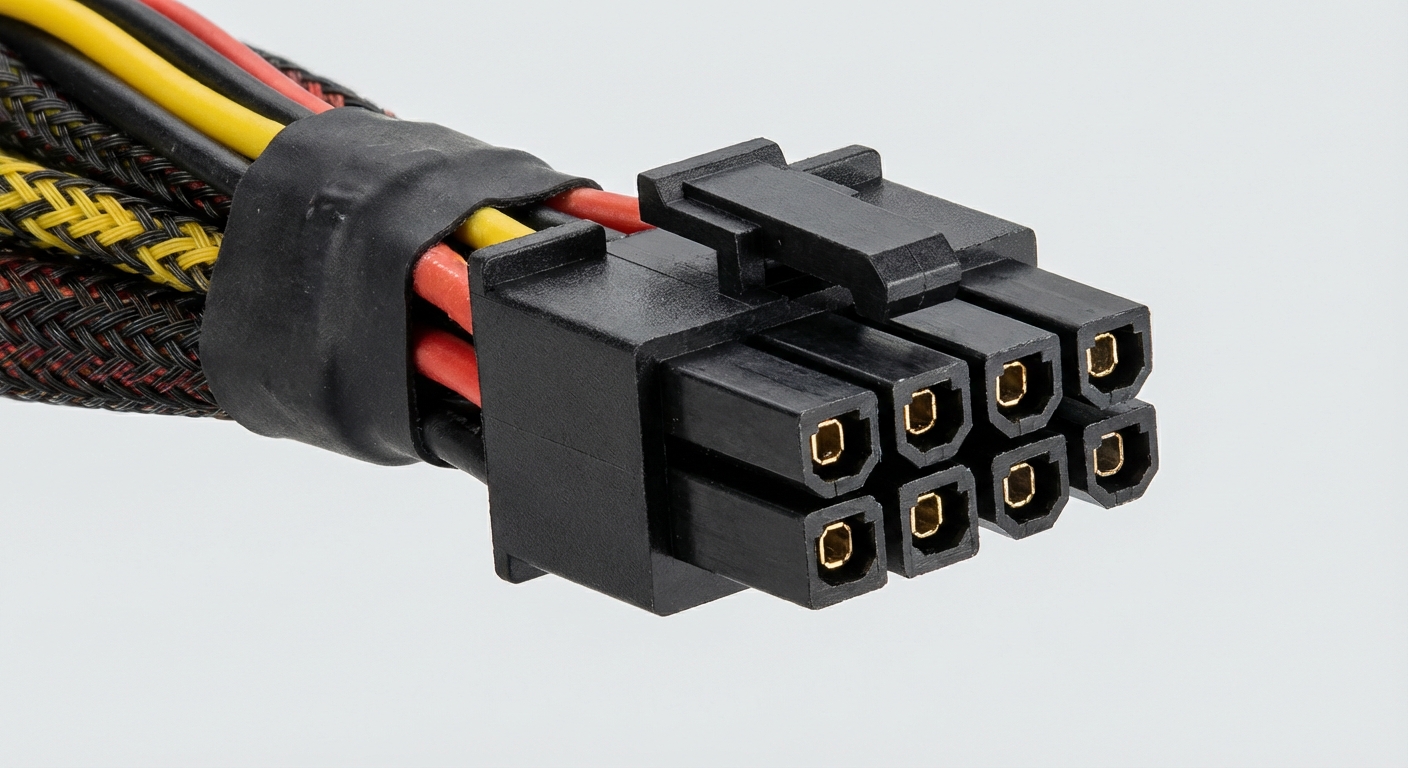
The 8-pin CPU power connector is designed specifically to deliver sufficient power to the CPU. It consists of two separate 4-pin connectors that can be combined to form one 8-pin connector, catering to both higher power requirements and improved stability of performance.
Each pin in the connector serves a specific purpose, typically corresponding to either power or ground. Connecting the pins correctly is vital for ensuring that the power supply unit (PSU) functions appropriately, thus preventing potential hardware damage.
Color Codes of the CPU 8-Pin Connector
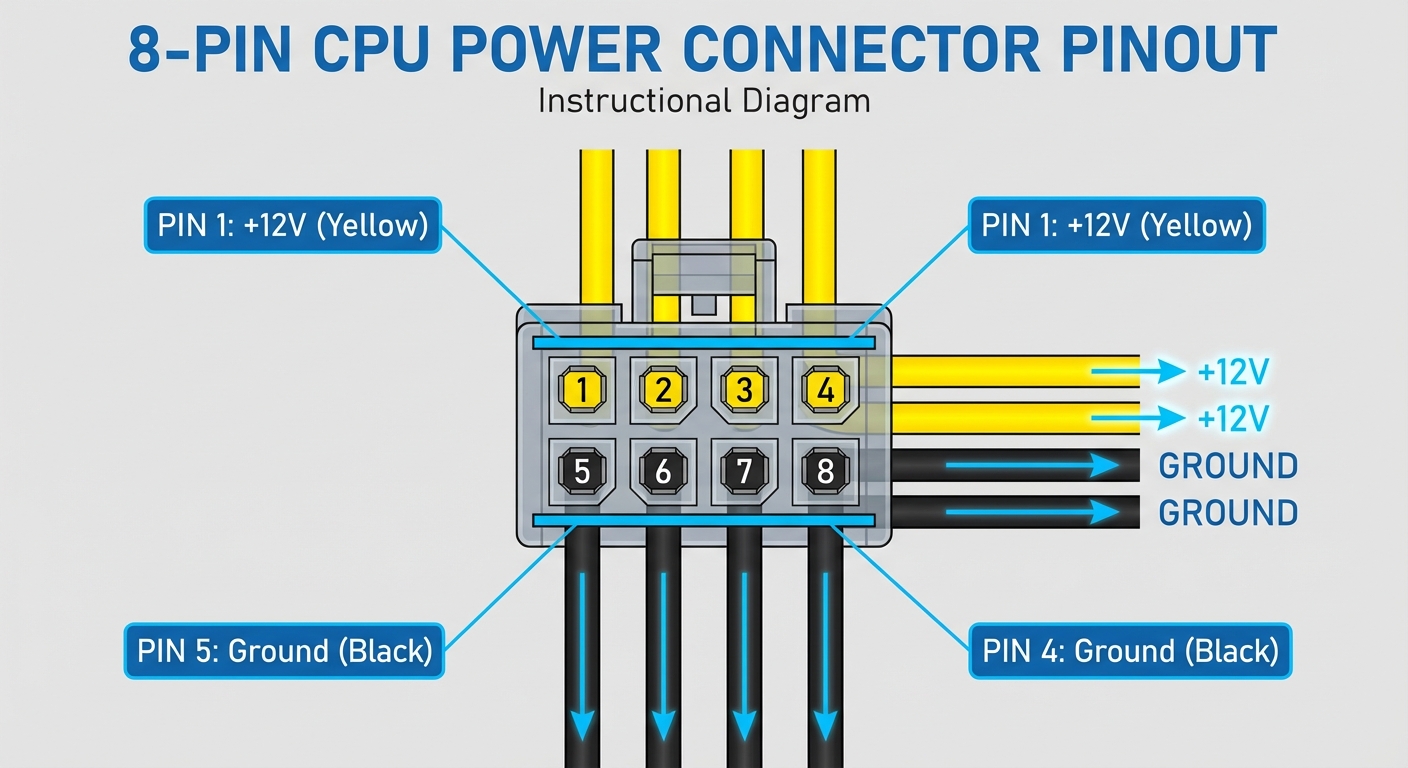
The color codes of the wires in the CPU 8-pin connector are designed to ensure clarity and prevent incorrect connections. Most commonly, the color code is standardized as follows:
You may also like

- Yellow Wires: +12V (Power)
- Black Wires: Ground
In a typical 8-pin configuration, you will usually have the following arrangement:
| Pin Number | Wire Color | Signal |
|---|---|---|
| 1 | Yellow | +12V |
| 2 | Yellow | +12V |
| 3 | Black | Ground |
| 4 | Black | Ground |
| 5 | Yellow | +12V |
| 6 | Yellow | +12V |
| 7 | Black | Ground |
| 8 | Black | Ground |
Risks of Incorrect Wiring
Improper wiring of the CPU power connector can lead to several issues:
- System instability or failure to boot
- Potential hardware damage, particularly to the motherboard and CPU
- Increased risk of overheating due to inadequate power delivery
Thus, following the color codes meticulously is not just a recommendation; it’s a necessity for ensuring system reliability.
Differences Between 4-Pin and 8-Pin CPU Connectors
While both 4-pin and 8-pin connectors are designed to provide power to CPUs, they are suited for different scenarios:
| Feature | 4-Pin CPU Connector | 8-Pin CPU Connector |
|---|---|---|
| Power Delivery | Up to 192W | Over 192W, suitable for high-end CPUs |
| Usage Scenario | Older CPUs or low-power systems | Modern, high-performance systems and overclocking |
Common Problems and Troubleshooting Steps
While the wiring seems straightforward, problems can still arise. Here are common scenarios and troubleshooting steps:
- System Won’t Power On: Verify all power connections, including the 24-pin motherboard power connector.
- Inconsistent System Behavior: Ensure the 8-pin connector is securely attached to the motherboard. A loose connection may lead to intermittent issues.
- Overheating Issues: Confirm that the PSU is rated to supply sufficient wattage and that the power cables are not damaged.
How to Split an 8-Pin Connector
If your power supply only includes a 4-pin connector, you can use an adapter or splitter to connect to an 8-pin motherboard:
- Identify your current configuration and purchase a suitable splitter.
- Connect the splitter’s 4-pin ends to the PSU and 8-pin ends to the motherboard.
- Ensure the connections are secure, double-checking against the color codes for correct wiring.
FAQ
Q1: Can I use a 4-pin connector if my motherboard requires an 8-pin connector?
A1: If your motherboard requires an 8-pin connection, it’s advisable to use an 8-pin connector. A 4-pin connector may not supply sufficient power, risking system stability.
Q2: What happens if I connect the wires incorrectly?
A2: Incorrect connections can lead to system instability, failure to boot, or hardware damage due to reversed polarity.
Q3: Are there any adapters for connecting 4-pin connectors to 8-pin motherboards?
A3: Yes, there are adapters available—such as 4-pin to 8-pin splitter cables—that can help connect a 4-pin PSU to an 8-pin motherboard.
Q4: What tools do I need to troubleshoot CPU power connections?
A4: A multimeter can help verify voltage levels. Additionally, wire strippers and crimpers may be needed if you’re modifying cables.
Q5: Why is my CPU overheating?
A5: Overheating may occur due to inadequate power supply from the CPU connector, a malfunctioning cooler, or poor airflow in the case.
Conclusion
Understanding the color codes and function of the CPU 8-pin connector is essential for optimized power supply and overall system stability. Ensuring that connections are made correctly can prevent a host of issues, allowing you to harness the full potential of your computer’s CPU. For those interested in further insights into power supply units and their connectors, exploring related topics like power distribution and efficiency is recommended.
Rotating USB